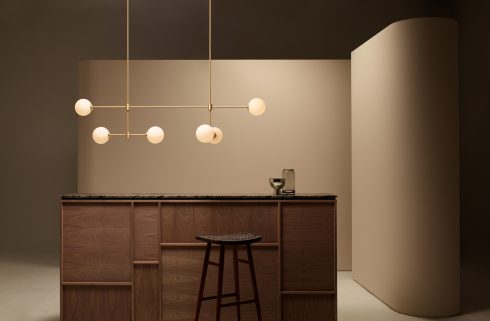
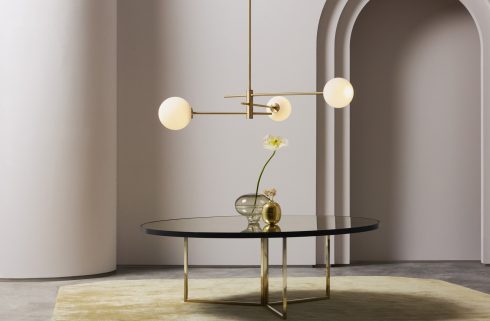
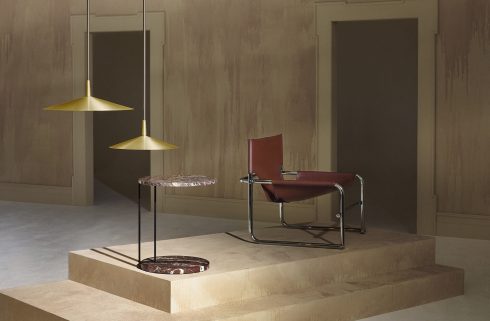
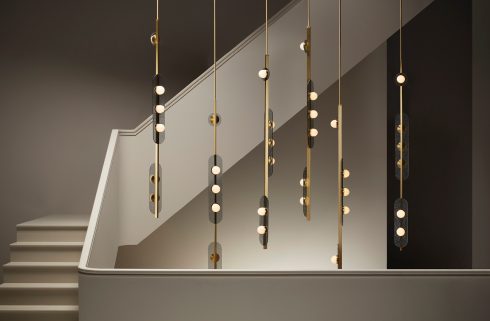
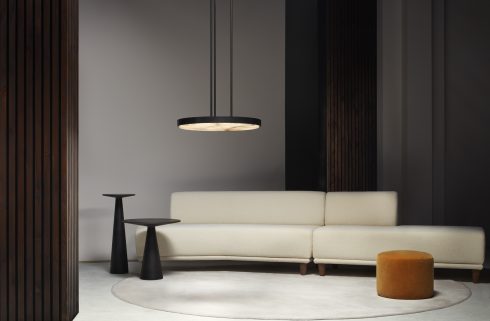
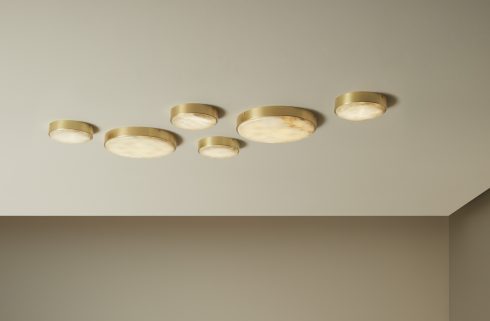
In interior design, lighting is far more than functional. It is sculptural. Intentional. Emotional. And when worked with precision, it becomes the defining element that lifts a space from well-designed to unforgettable.
“Design is defined by light and shade, and appropriate lighting is enormously important.” – Albert Hadley.
At CTO Lighting, our philosophy is rooted in the idea that lighting should be as carefully considered as the architecture itself. It should enrich the material palette, support the purpose of the space, and introduce atmosphere with quiet authority. We believe, as echoed in Jun’ichirō Tanizaki’s In Praise of Shadows, that true beauty lies in balance – in embracing the interplay of light and darkness. In a world where overlighting is increasingly common, we design with restraint, valuing shadow as much as illumination.This guide offers a professional perspective on working with luxury lighting – crafted for interior designers and architects working at the highest level.
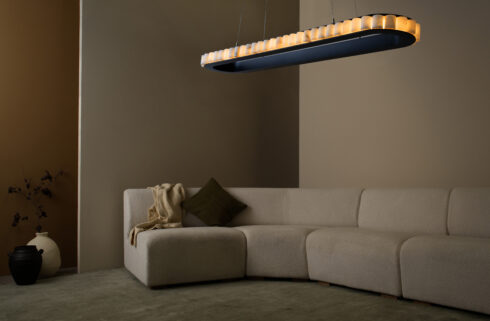
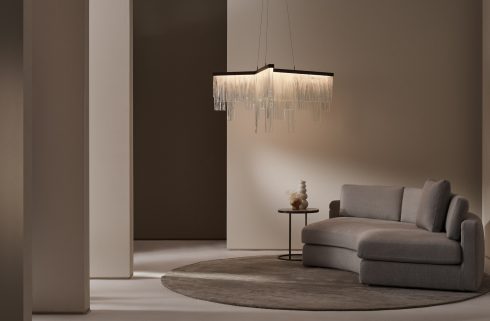
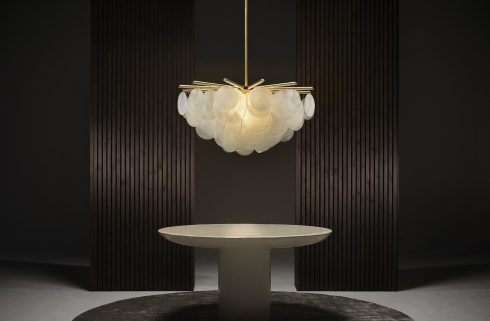
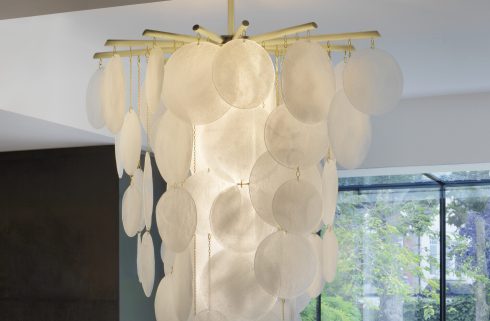
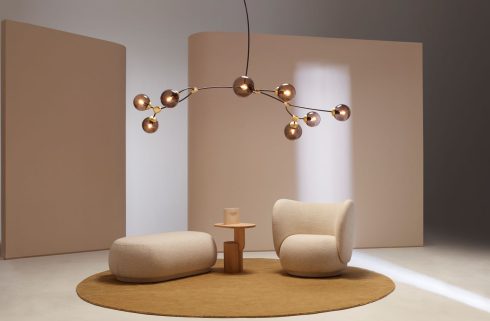
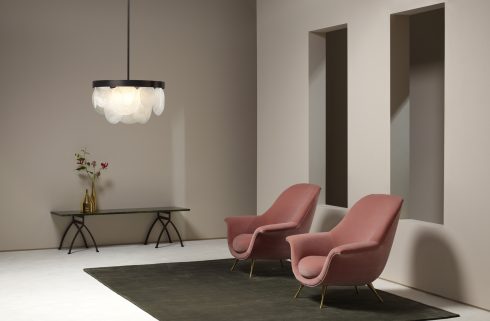
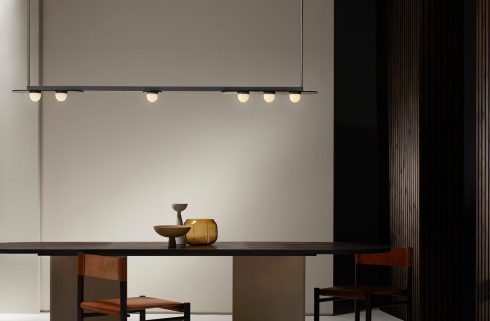
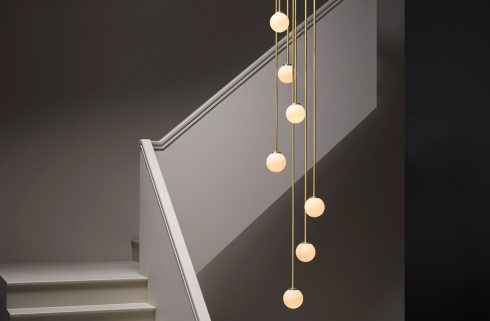
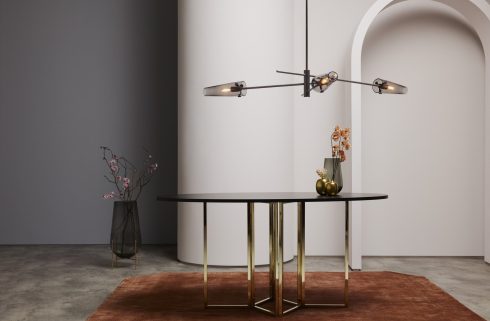
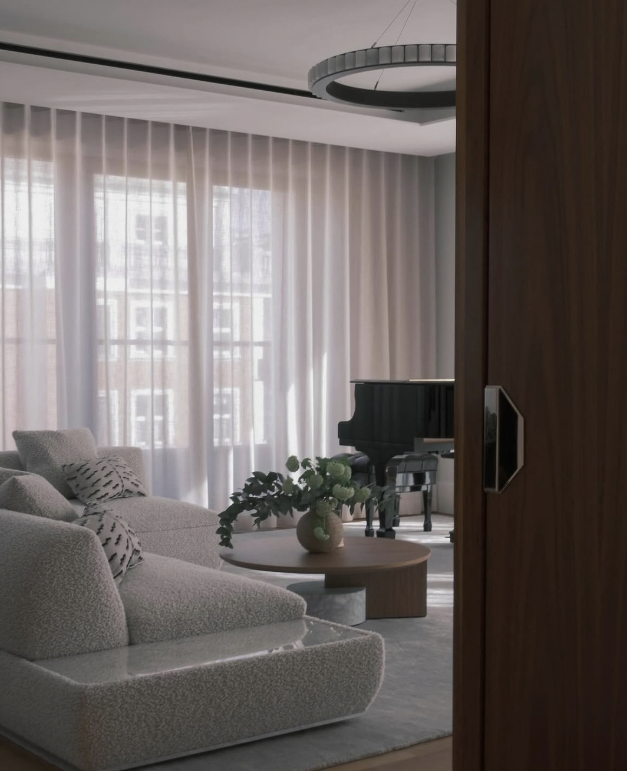 AVALON CHANDLIER IN A PROJECT BY SP.9 LONDON
Every successful lighting scheme begins with the architecture. Before selecting fittings, study the space – its volumes, surfaces, ceiling heights, and how natural light moves throughout the day. These inform the type, scale, and finish of each light.
In open-plan layouts, lighting defines zones and subtly guides flow. In listed buildings, you may need to work within conservation limits or with lower ceiling heights. In pared-back, contemporary interiors, sculptural luminaires can introduce texture and warmth without overwhelming the space. In these open or connected settings, it’s also important not to obscure key sight lines – whether to a garden, a focal artwork, or the next room – allowing the architecture and views to remain uninterrupted.
As architectural lighting designer William Lam emphasised, lighting is an architectural tool: it’s a “formgiver for architecture” – it must address place, function, and perception simultaneously. In any space, the goal is to create pools of light that are purposeful and poetic – directing focus to specific surfaces or areas, and establishing rhythm, intimacy, and clarity within the overall composition.
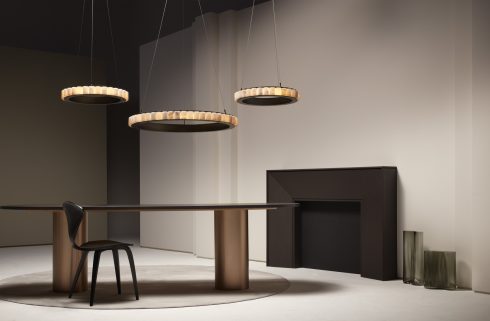
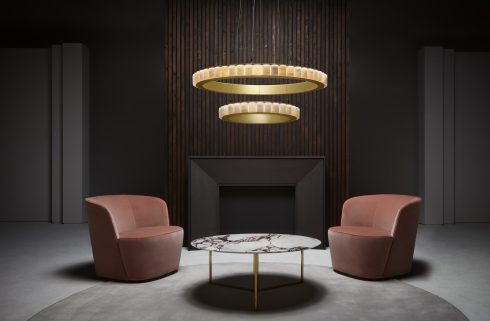
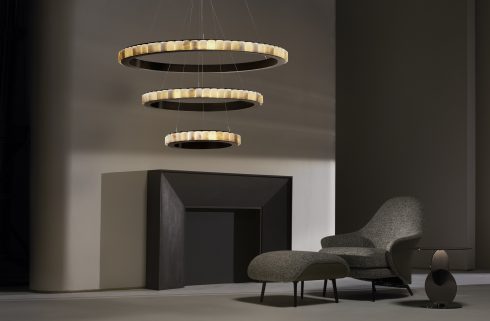
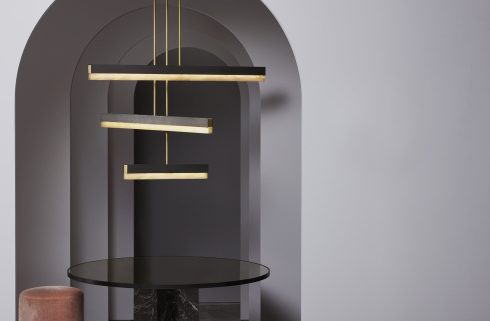
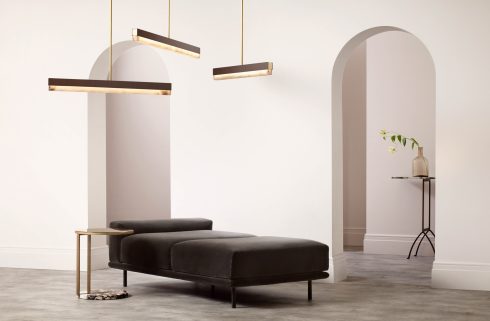
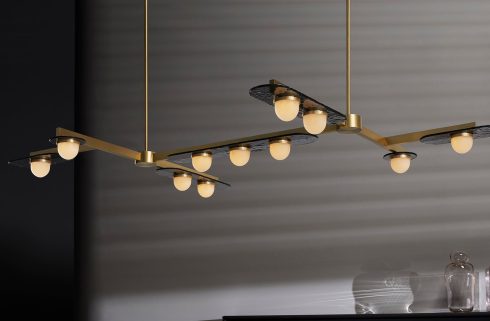
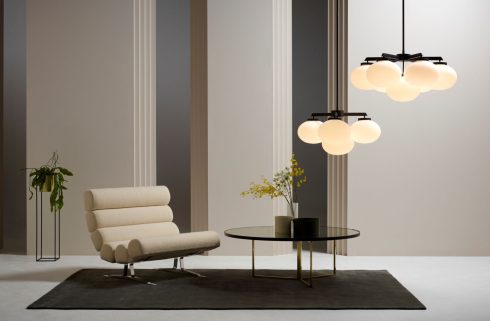
 AVALON HALO CHANDELIER IN A PROJECT BY SAMUEL ELBILIA
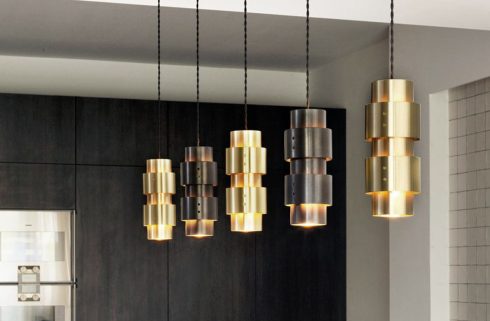
Light does not exist in isolation. It’s shaped – diffused or sharpened – by the materials that surround it. The metals, stones and glass in each fixture determine not just aesthetic, but the character of the light itself. Materiality defines emotion, focus, and tone.
As architectural theorist Jonathan Hale explains, “Our experience of space is shaped by material light … the instant light meets the surface of physical matter and reveals its phenomenological qualities.”
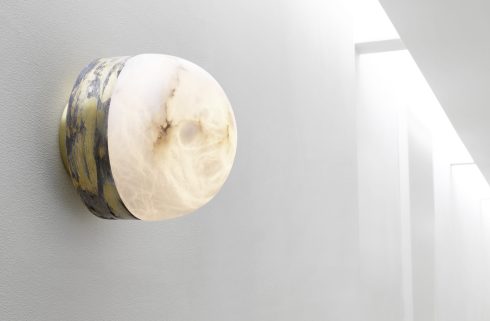
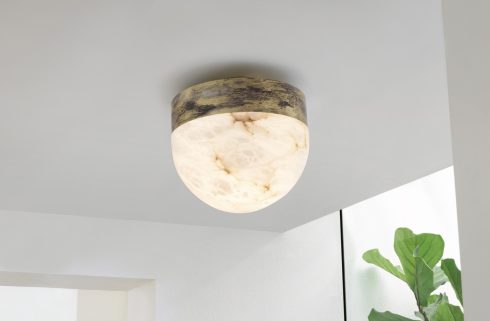
At CTO Lighting, we work exclusively with noble materials – hand-finished brass, mouth-blown glass, satin nickel, and translucent alabaster – each selected for the way it interacts with light.
Every material affects not just how a light looks, but how it behaves. The interaction between surface and source influences clarity, depth, and atmosphere. At CTO Lighting, we select lighting materials and finishes for their ability to sculpt light – not simply to adorn it – ensuring that every fixture enhances the human experience in the room.
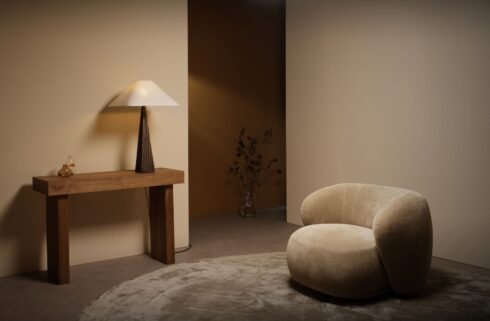
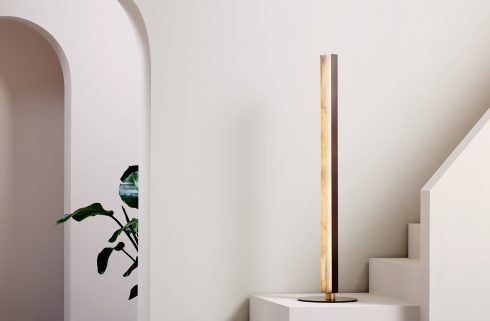
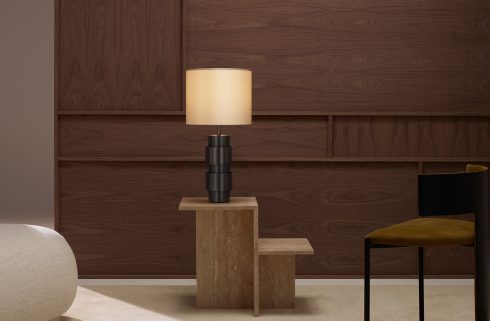
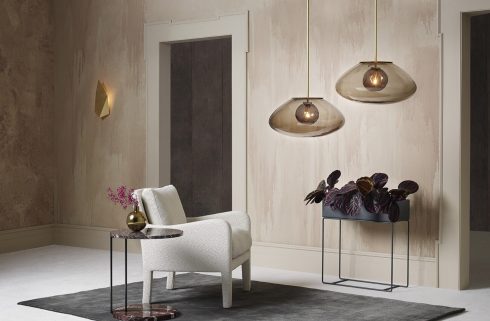
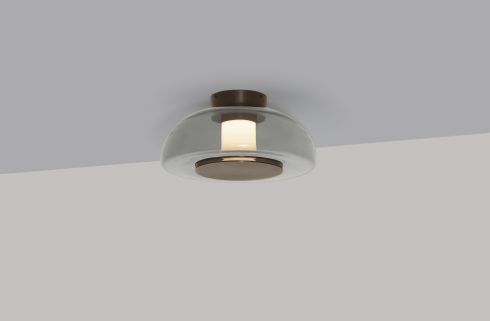
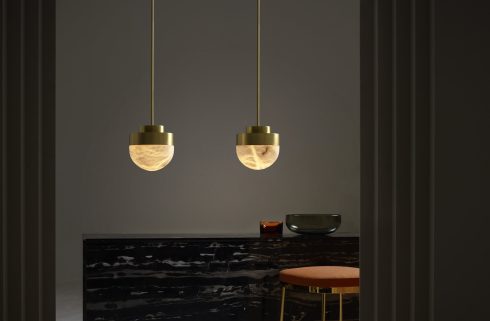
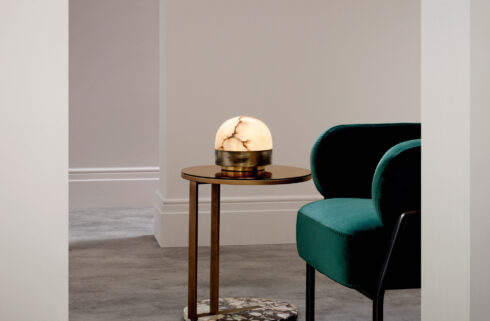
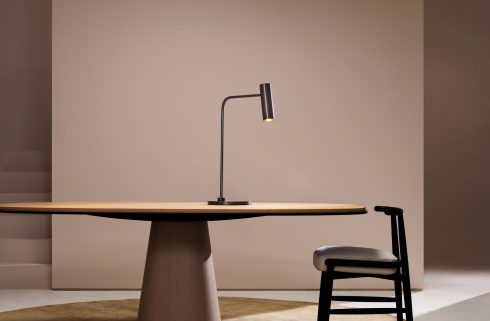
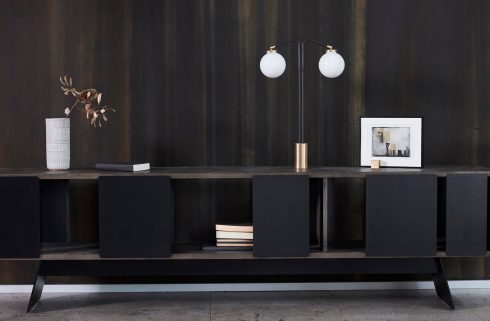
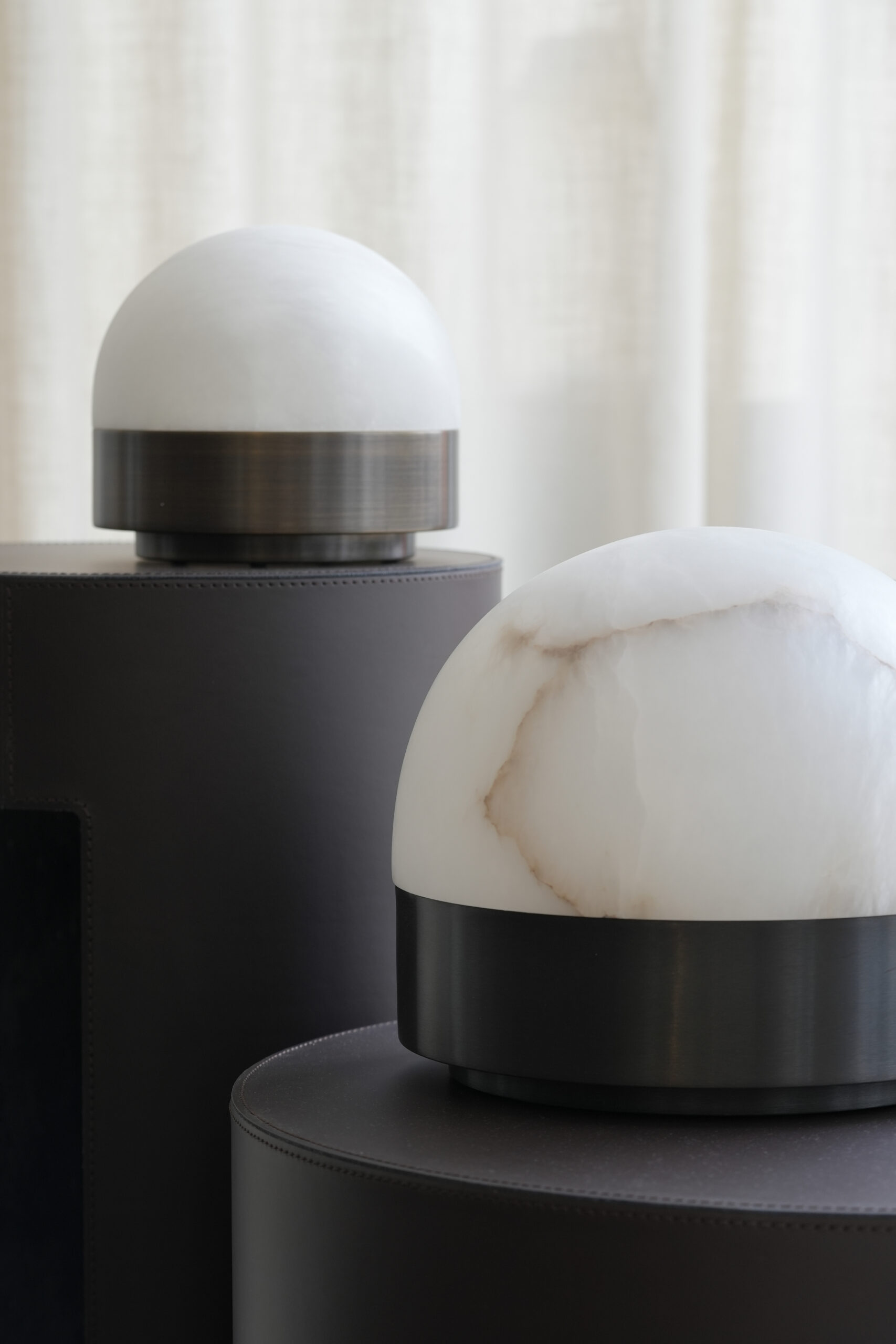 LUCID TABLE LIGHTS IN RUE VERTE NY ØSTERGADE
The materials used in a fixture directly affect the light it casts. Understanding these interactions enables a more refined and intentional approach when working with luxury lighting.
Surface finish matters. Polished interiors reflect and amplify light; matte and textured surfaces absorb or scatter it. A satin brass interior gives a warm, golden tone, while matte white offers a soft, neutral diffusion. These choices become particularly important in layered schemes, where ambient, task and accent lighting must all work in harmony.
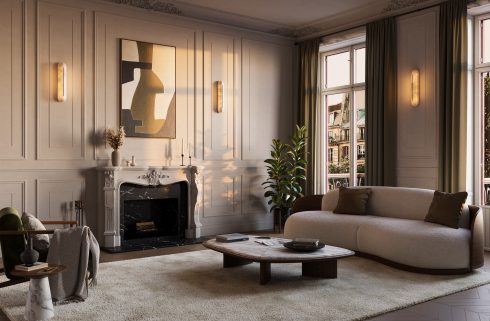
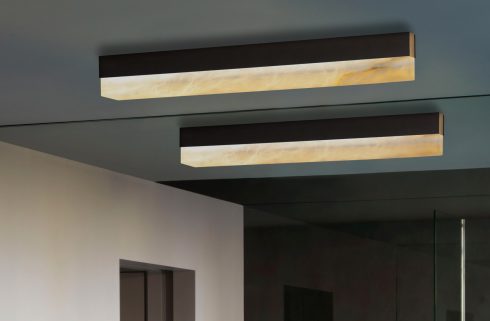
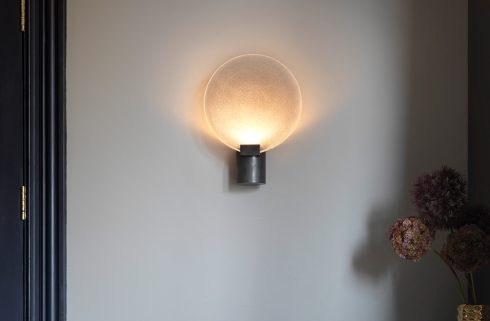
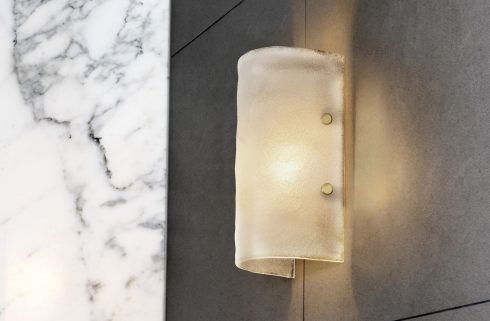
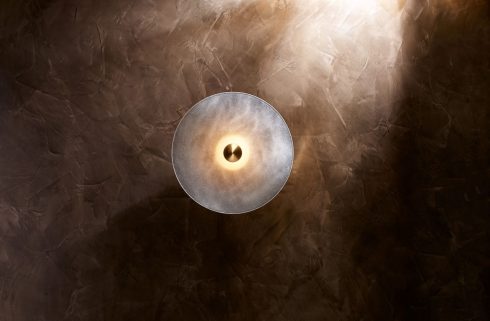
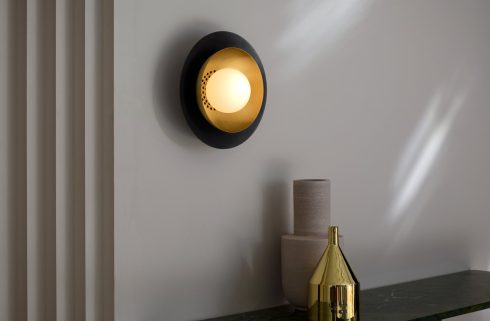
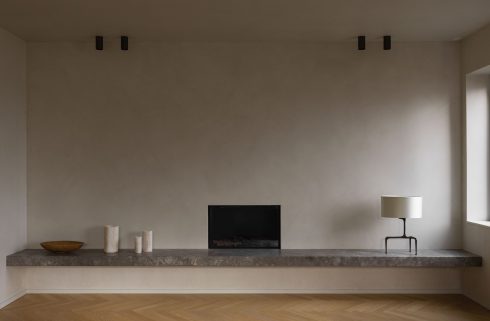
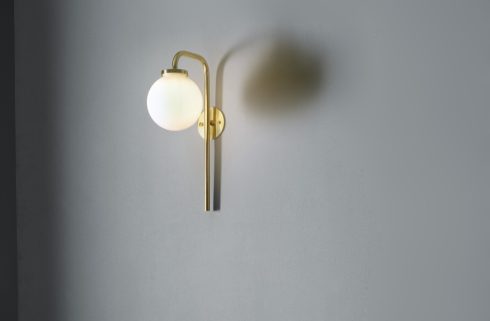
 HEPWORTH WALL IN A PROJECT BY ROCK HILL INTERIORS
Luxury lighting requires the balance of beauty and precision. A well-selected fixture performs as beautifully as it looks. The checklist below outlines what to consider when working with luxury lighting:
1. Mounting Type
Surface mounted, pendant, wall, floor
Assess ceiling/wall material and weight capacity
2. Electrical Requirements
Voltage compatibility (UK: 230V / EU: 220–240V / US: 120V)
Driver type (integrated or remote, especially for LED)
3. Dimming Control
Leading/trailing edge, 0–10V, DALI, Casambi
Confirm compatibility with dimming systems
4. IP Rating
IP44 for bathrooms
IP65+ for exterior or wet zones
Always check zoning and local building code
5. Light Source
LED, G9, GU10, E27, integrated etc
2700K recommended for warm interiors
6. Lumen Output
200–400 lm/m² for ambient
500+ lumens for task areas
150–300 lumens for accent light
7. Suspension & Fixing
Ceiling mounted, ceiling drop rod or cable legnth
Ceiling rose dimensions and finish
Ensure structural compatibility with weight of fixture
Ensure a qualified electrician installs the light in line with warranty
8. Maintenance
Is the light accessible for replacement of light source?
Can diffusers be cleaned or removed?
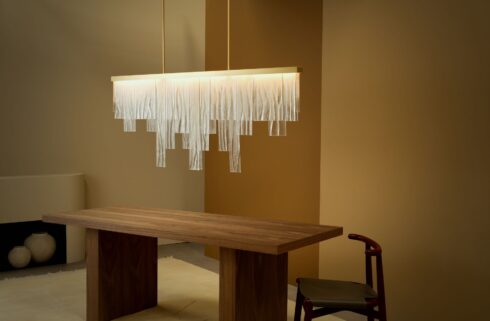
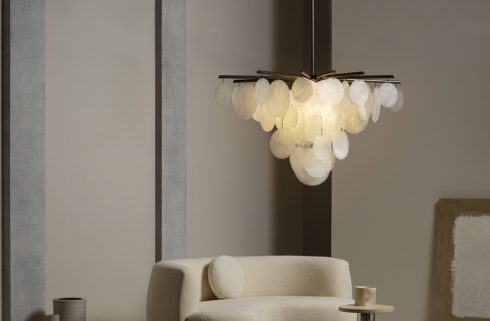
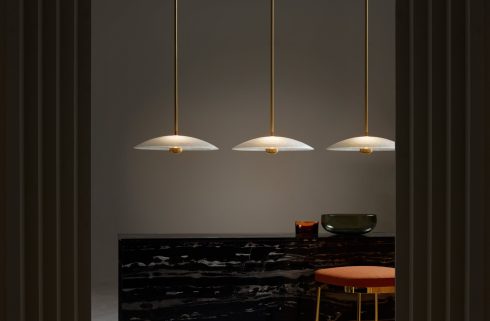
 CLOUDESLEY CHANDELIER IN A PROJECT BY KARDAMI MARIA
In refined interiors, quality of light is everything. The wrong temperature or colour rendering can flatten even the most considered design.
Warm white LEDs (we recommend 2700K) offer the soft, atmospheric glow best suited to residential and hospitality spaces. Wherever possible, opt for dimmable and modular solutions to accommodate evolving needs, future maintenance, and fine-tuned control.
As designer Jonathan Adler states, “Lighting is everything. It can make a room feel warm, cozy, and inviting, or cold and unwelcoming.”
The source of light should never feel separate from the design – it should enhance it.
 HEPWORTH WALL IN A PROJECT BY BERND GRUBER
When it comes to working with luxury lighting, scale is everything. Even the most beautifully crafted fixture can feel jarring or underwhelming if it’s not in proportion with its surroundings. Size, placement, and spatial relationship must all be considered to ensure the piece not only fits, but feels right.
The goal is always harmony – where scale complements rather than competes with the architecture. Thoughtful proportion transforms a fitting into a focal point, rather than just a fixture.
At CTO Lighting, many of our designs are sculptural in form. We collaborate closely with designers and architects to ensure each piece is worked with proportion, placement, and presence in mind – landing with the right visual weight in the space, never overwhelming or getting lost. For projects requiring something more tailored, we also offer bespoke adaptations of our collections. Whether adjusting scale, finish, or configuration, we work hand-in-hand with specifiers to craft one-of-a-kind pieces that meet the exact needs of a space – both visually and technically.
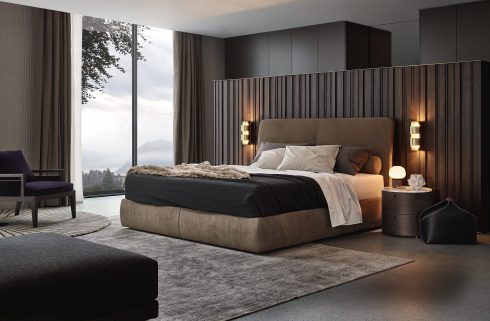
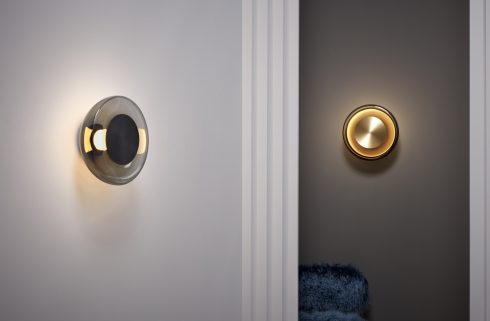
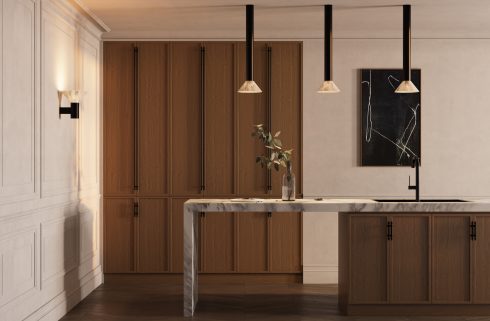
 AVALON HALO CHANDELIER AND ARTES WALL LIGHTS IN A PROJECT BY SAMUEL ELBILIA
Lighting materials should feel innately connected to the space they inhabit. Rather than matching exactly, the aim is to create cohesion – through tonal resonance, texture, or considered contrast.
As Andre Putman notes, “For a house to be successful, the objects in it must communicate with one another, respond and balance one another.”
For example:
Metal tones can be used to mirror hardware or offset joinery. Layered textures – from polished to patinated – can help transition between eras, functions, or adjoining spaces. Think of materials not as isolated choices, but as instruments in a larger composition. The goal is harmony – where lighting is part of the palette, not an addition.
Always consider the interplay between material, finish, and the light’s colour temperature. A warm-toned light will intensify gold and brass; cool light can flatten those same finishes. Use this knowledge to bring warmth, clarity or drama as needed.
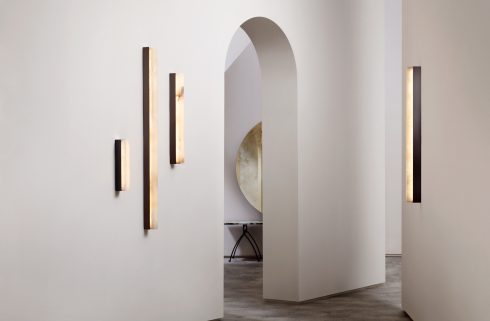
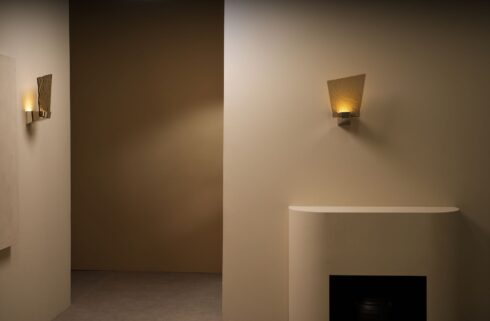
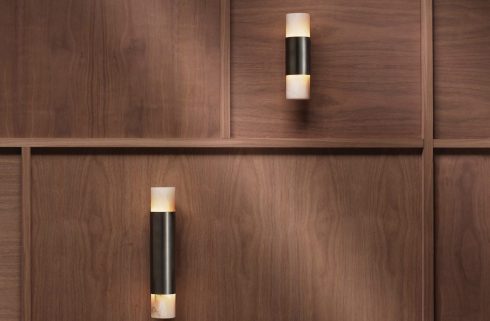
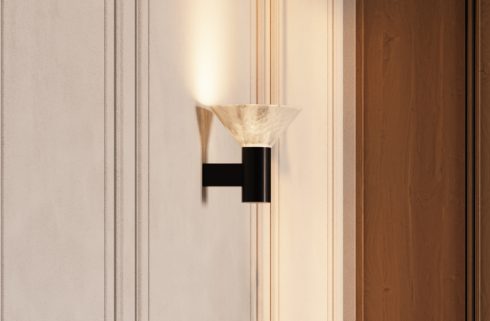
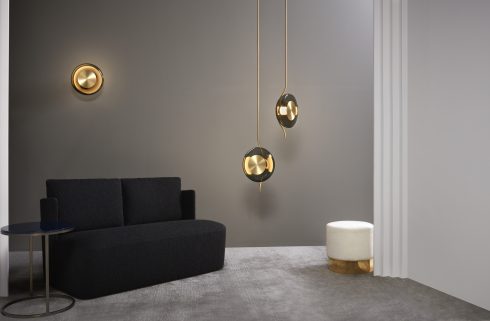
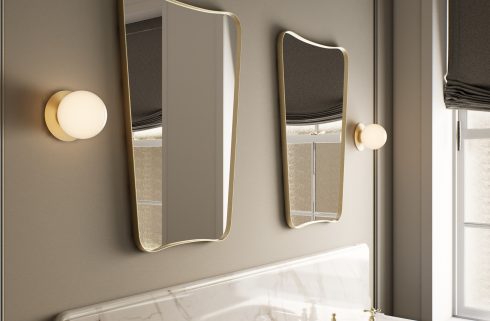
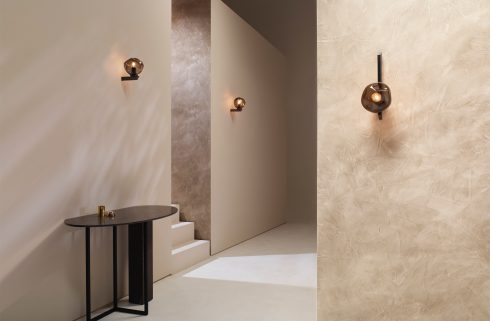
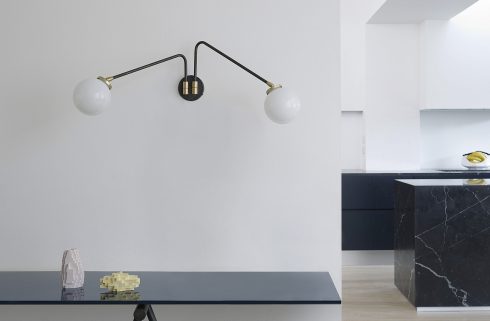
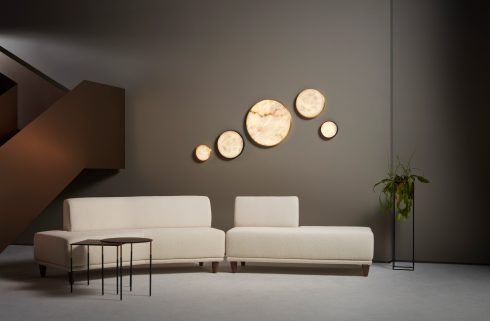
 ARTES WALL IN A PROJECT BY TOLLGARD STUDIO / RICHARD GOODING PHOTOGRAPHY
True sustainability in lighting starts at the planning table. The most impactful decision a designer can make is to choose fewer, better products – fixtures that are designed to last, repair and evolve.
At CTO Lighting, we take this responsibility seriously:
When choosing luxury lighting, ask:
As architect and designer Ilse Crawford notes, “Sustainability is not about denying ourselves, but designing things that we can live with for a long time.” The most sustainable product is not the one that boasts the most features or certifications – it is the one that lasts, that remains relevant, and that is cherished.

Working with luxury lighting is about more than choosing a fitting – it’s about curating emotion, experience and elegance. It demands both technical rigour and aesthetic sensitivity.
Begin with the space. Understand the role of material. Ensure any structural work is done to support the weight of the lights. Use finishes to shape light, not just embellish. Consider proportions as carefully as you do product. Collaborate early and work with intention.
At CTO Lighting, our collections are crafted for designers in mind. We partner closely to ensure your vision is brought to life with atmosphere, expertise, and enduring beauty. Lighting, at its best, is the invisible thread that binds architecture, interiors, and experience.
If you’re working on a project and would like support, or to explore a customisable design, we’d be delighted to collaborate.