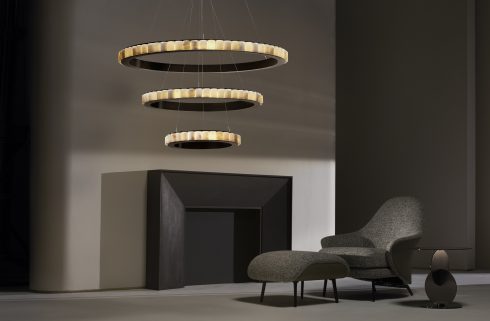
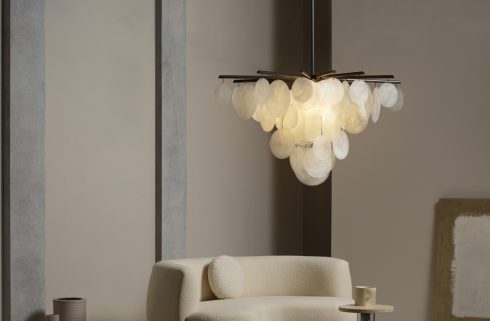
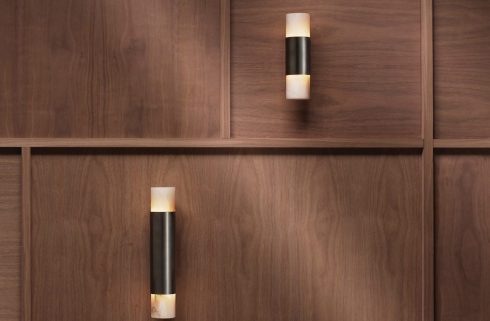
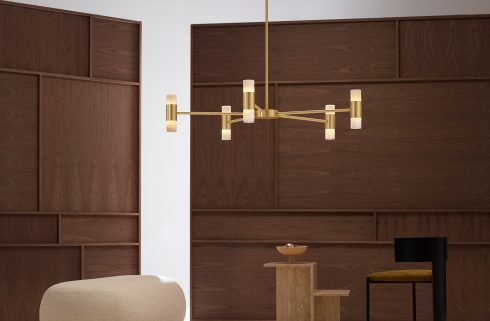
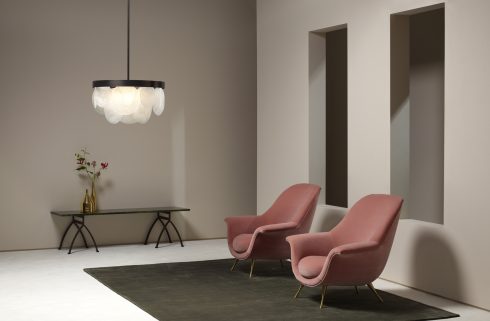
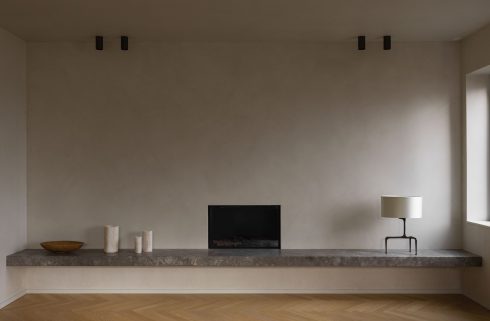
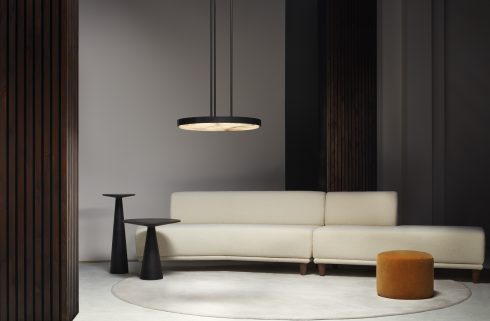
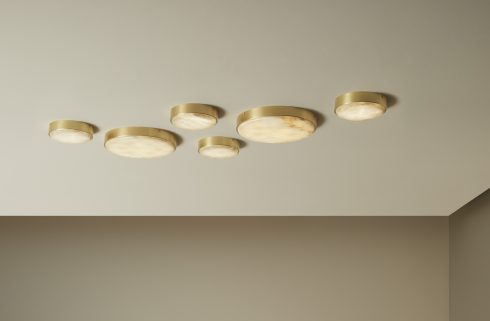
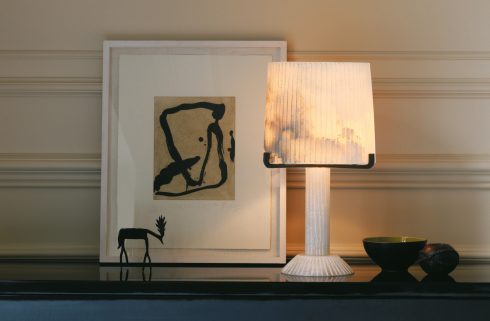
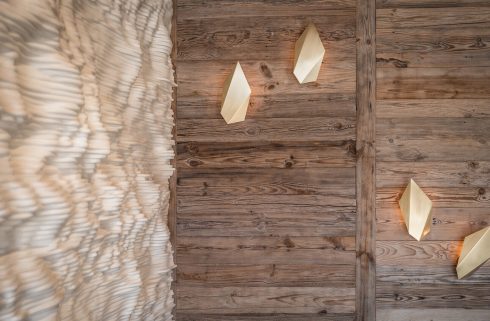
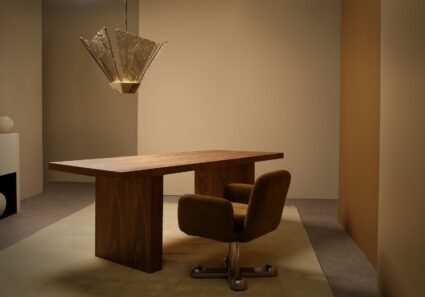
As we look ahead to 2026, lighting design continues its quiet evolution. Rather than dramatic shifts, the year ahead refines what we already value: material honesty, atmospheric depth, and lighting that feels considered rather than conspicuous. Many of the ideas that shaped 2025 remain influential, but they are now refined, softened, and embedded more deeply into architectural thinking.
Lighting is no longer about making a statement for its own sake. Instead, it shapes mood, supports wellbeing, and complements architecture with subtle confidence. Here are the key lighting trends set to define interiors in 2026.
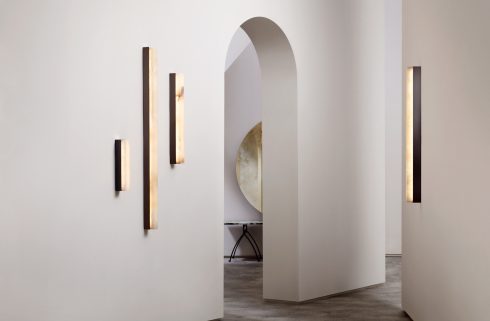
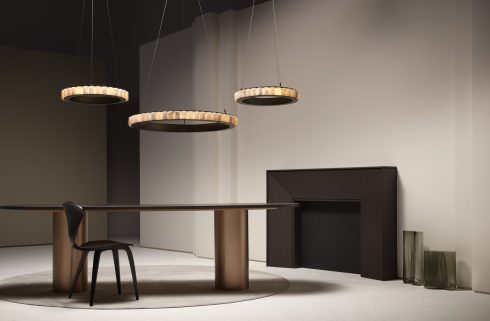
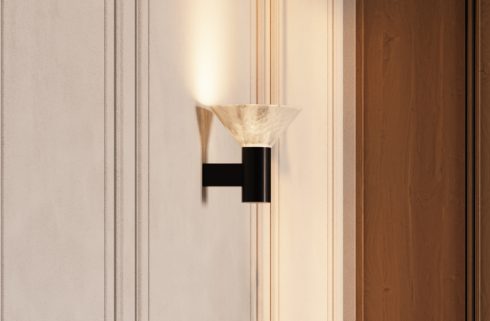
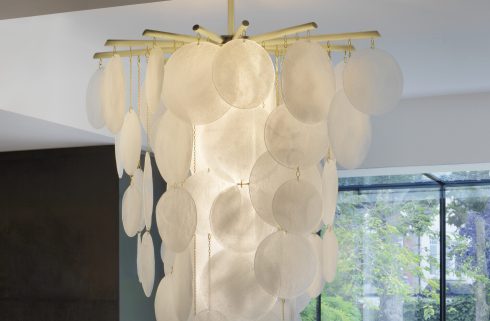
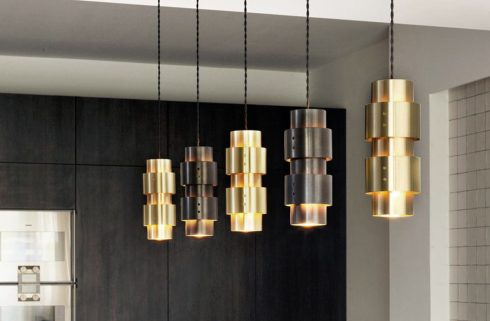
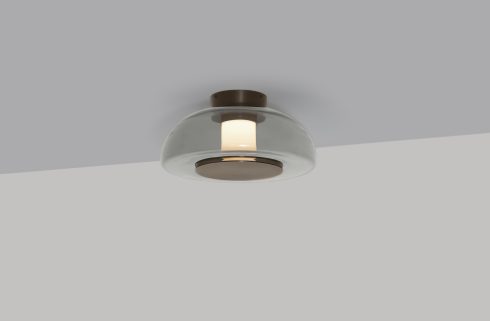
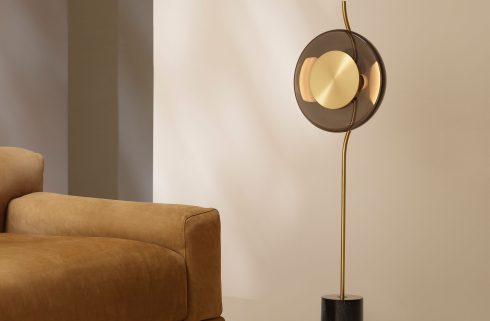
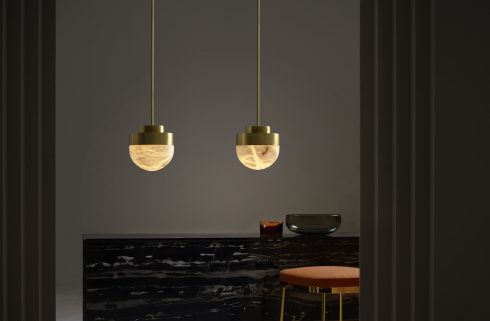
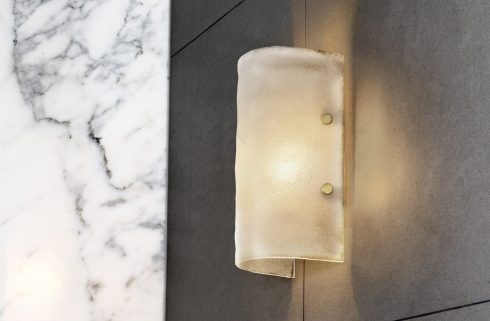
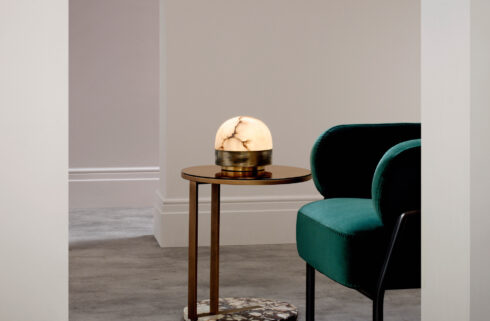
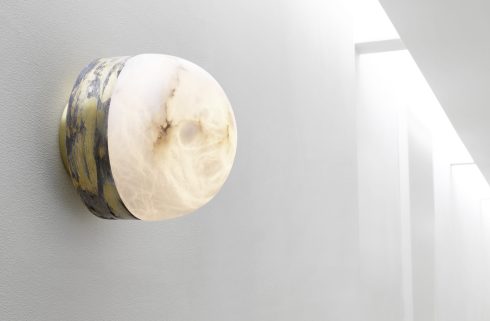
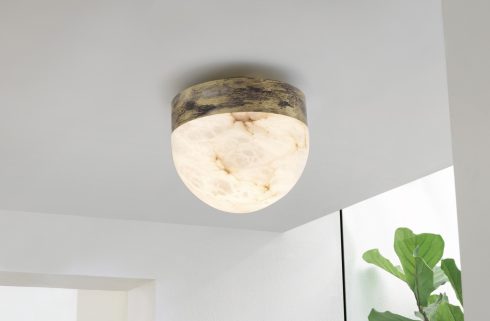
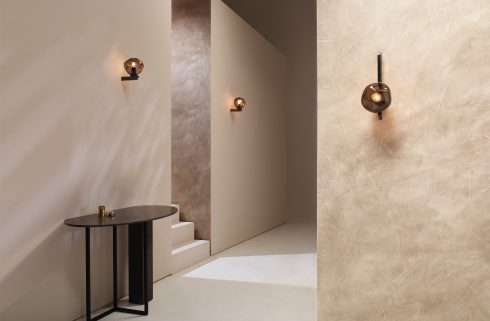
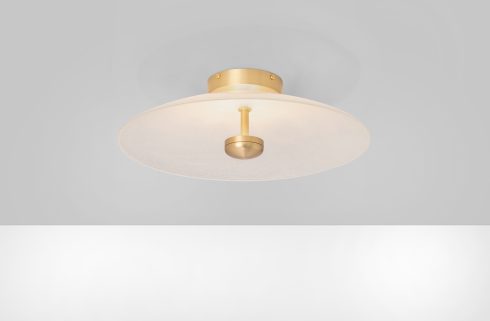
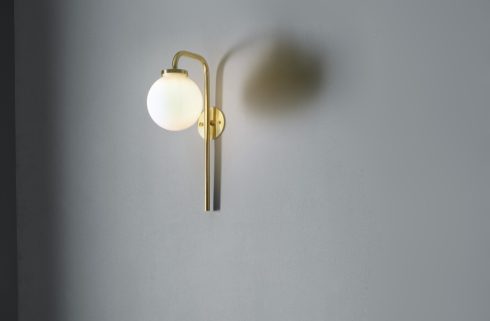
Materiality remains central to lighting design in 2026, with a growing appreciation for surfaces that reveal depth, texture, and the hand of the maker. Cast glass, patinated brass, bronze, alabaster, and other naturally expressive materials are valued not only for their appearance, but for how they soften and warm light.
This shift reflects a move away from polished perfection towards pieces that feel grounded and enduring. As Mara Miller, founder of Industville, notes in Ideal Home’s 2026 interiors forecast, “High-shine finishes are giving way to more tactile, nuanced treatments like softly patinated brass, bronze and richly textured metals that lend warmth, depth and a handcrafted quality.”
In this context, lighting becomes inseparable from material craftsmanship, where surface and glow work together to create atmosphere.
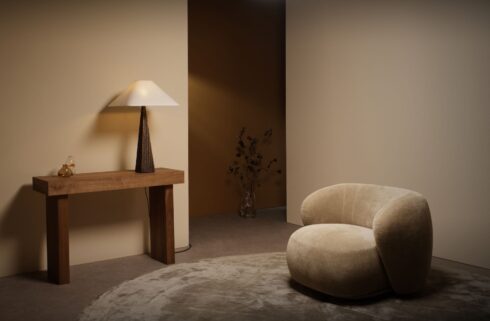
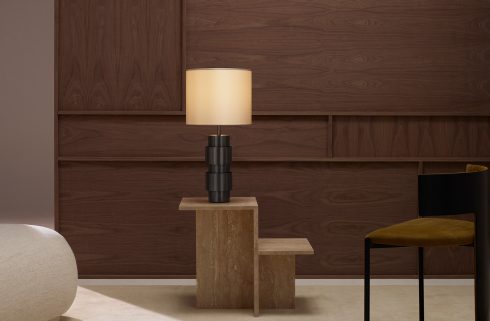
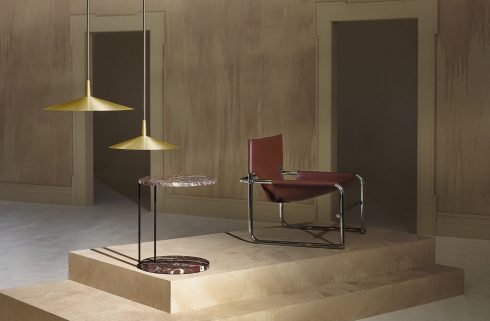
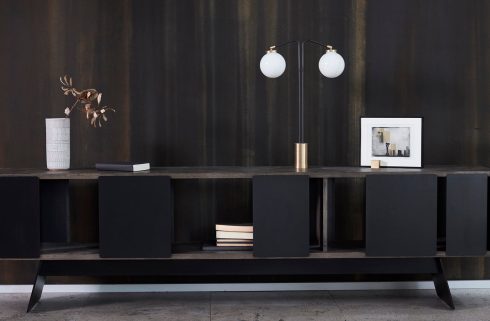
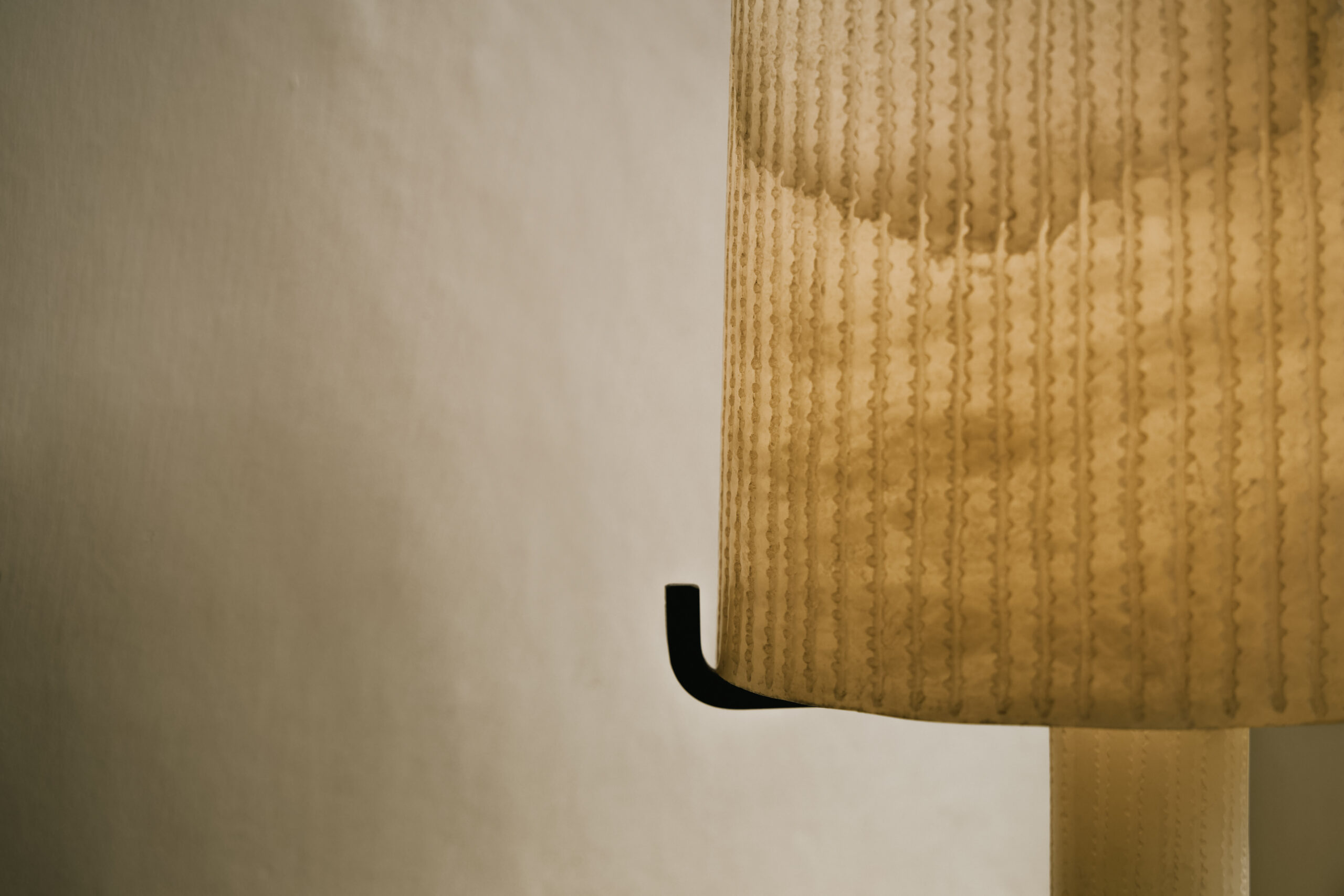 ACROPOLIS TABLE LIGHT
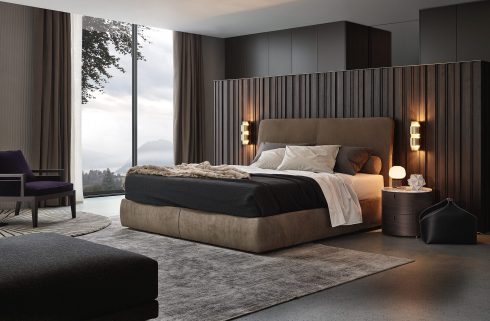
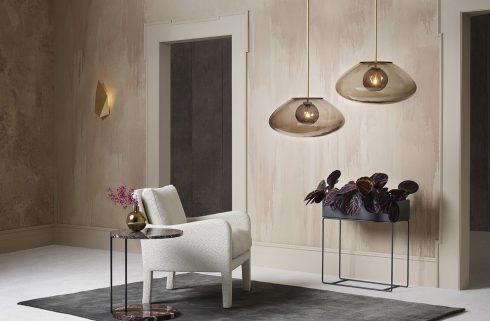
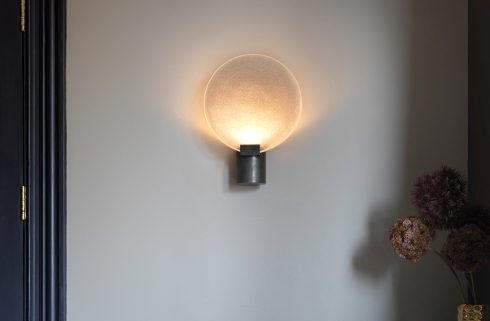
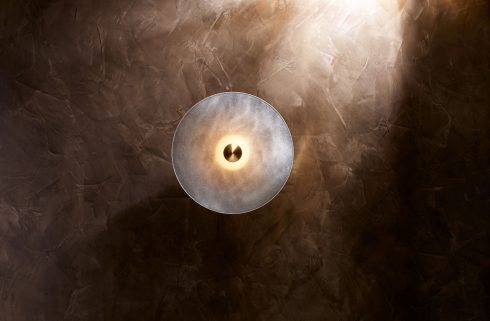
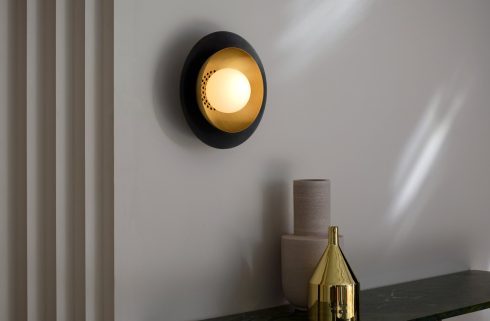
Uniform, brightly lit interiors continue to fall out of favour in 2026. Instead, designers are embracing lower light levels that create mood, intimacy, and depth.
Lighting schemes are increasingly designed around moments rather than maximum illumination. Susie Pfeiffer, founder of Pfeiffer Design, notes, “We’ve definitely been designing softer, more atmospheric lighting schemes over the past few years.”
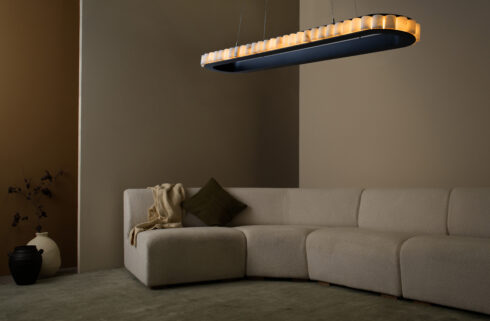
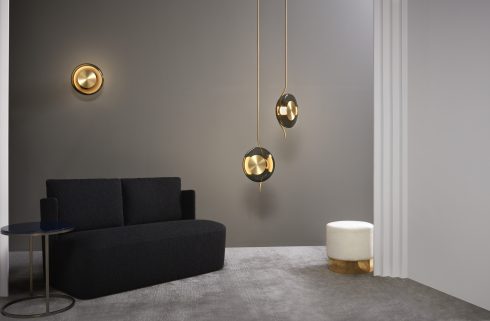
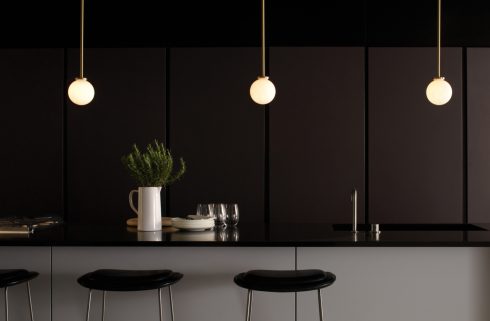
Taking its cue from the rise of quiet luxury, Livingetc points to a growing preference for what it describes as “quiet lighting”, an approach rooted in restraint and subtlety. The emphasis has shifted away from exposed bulbs and showy filaments towards soft, diffused light that feels cocooning and calm.
Veranda also highlights this shift towards warmth and subtlety, quoting designer Sarah Broughton, who explains: “Lighting in 2026 is less about a single big gesture and more about creating layers that feel almost like natural daylight translated into fixtures. We are using warm, diffused sources.”
The result is lighting that feels immersive rather than simply functional, encouraging slower, more relaxed living.
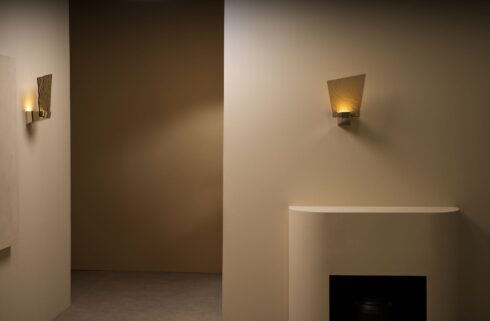
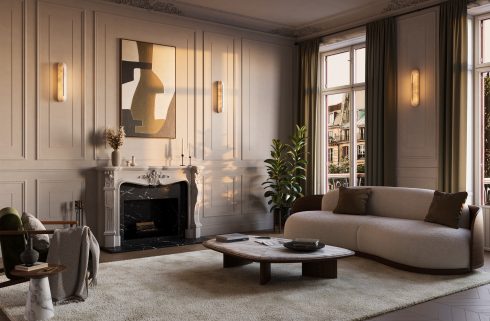
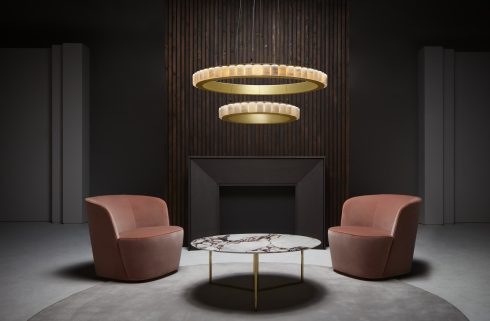
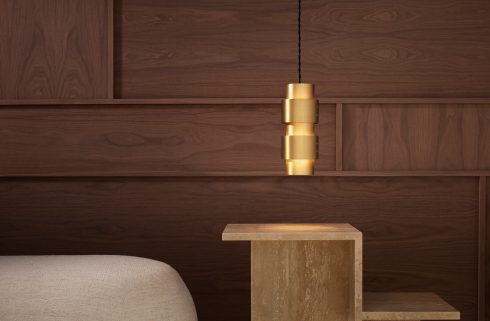
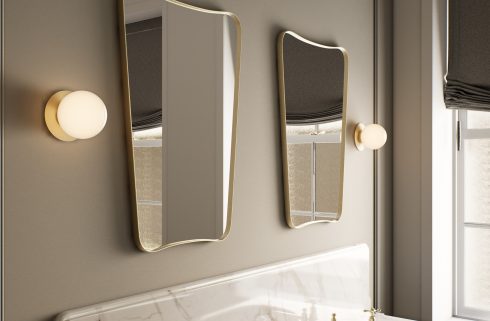
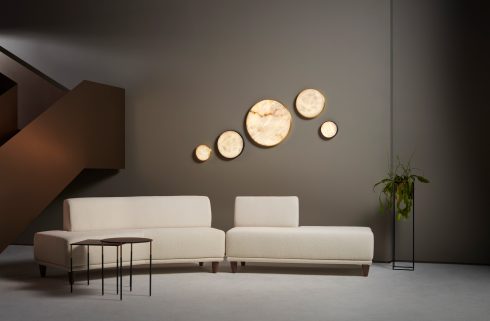
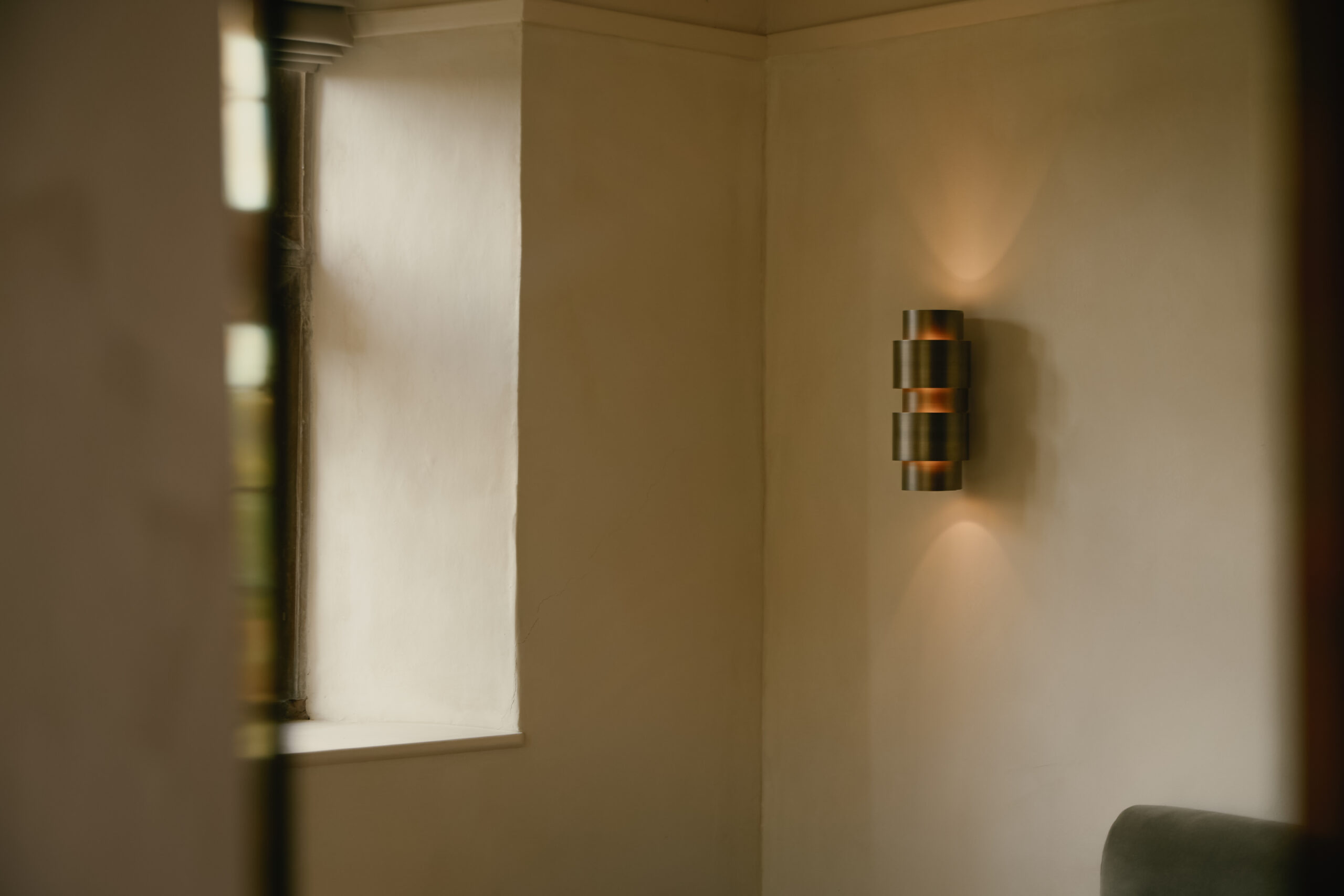 RING WALL LIGHT
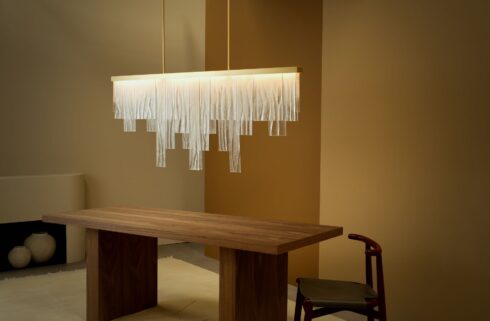
In 2026, lighting design looks to nature not just for materials, but for form, movement, and structure. Designers are drawing inspiration from the architecture of the natural world, translating organic rhythms and irregularities into more considered, refined silhouettes.
Rather than bold or overtly sculptural pieces, the focus is on gentle curves, softened lines, and subtle asymmetry that echo natural elements. Homes & Gardens’ 2026 Lighting Trends report captures this shift, quoting designer Jessica Nicastro, who notes, “I think 2026 is going to be all about lighting that feels organic, lived in and calm. Lighting that kind of glows rather than reflects.”
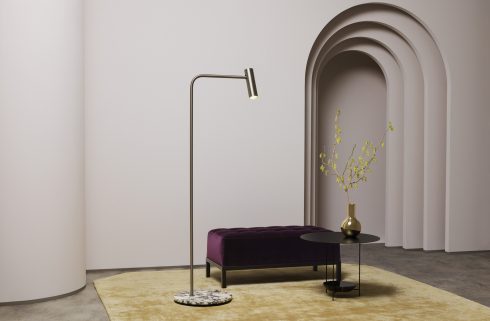
As Sarah Trop of Interior Design Agency FunCycled explains, “Instead of just rattan shades and basket weaves, expect to see lighting that truly reflects nature: glass fixtures that ripple like water, lamps with stone or terrazzo bases, and undulating silhouettes that suggest movement.”
Paired with warm materials and diffused light, these nature-inspired forms bring a sense of ease and harmony to interiors, creating lighting that feels intuitive, grounding, and deeply connected to its surroundings.
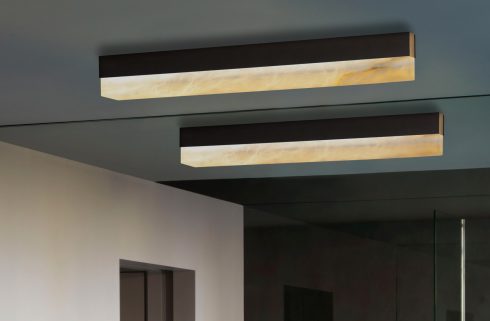
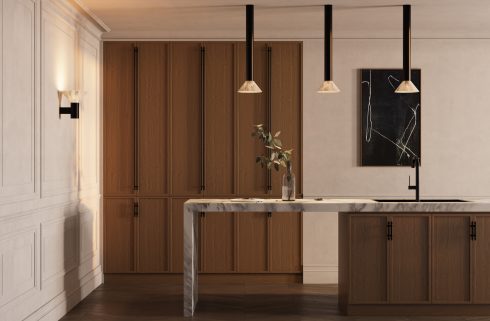
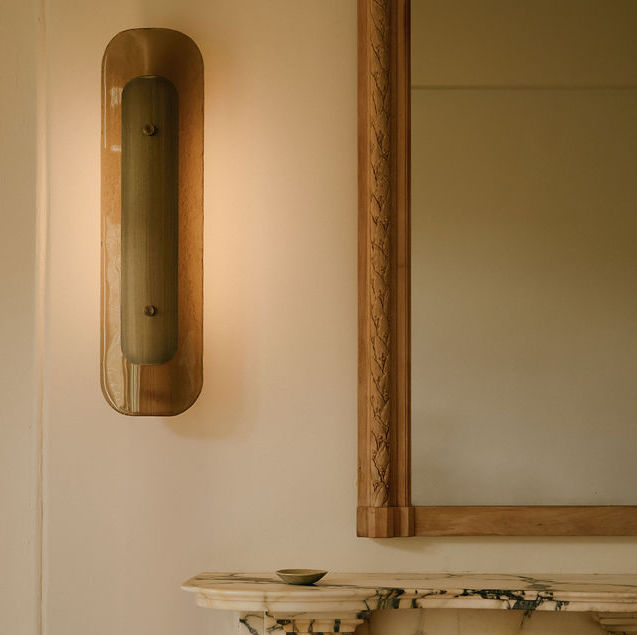 CONTOUR WALL LIGHT
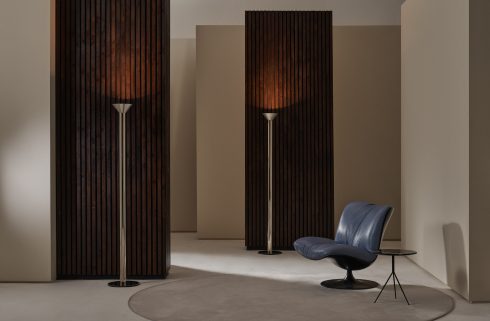
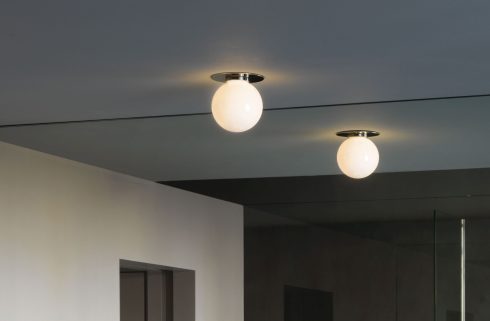
As colour re-enters interiors with confidence in 2026, nickel finishes are experiencing a quiet resurgence. Both polished and brushed nickel bring a sense of clarity and lightness, offering a visual counterpoint to richer palettes and textured materials. Where warmer metals ground a space, nickel introduces a more cleansing quality to light, sharpening its presence without feeling cold.
This renewed interest in nickel also taps into a subtle retro influence, drawing inspiration from the refined glamour of the 1980s. Think veneered wood paneling, glass tables, and architectural surfaces where reflective finishes played an integral role in shaping atmosphere. In this context, nickel feels elegant yet forward-focused, adding an almost futuristic note that feels newly relevant rather than nostalgic.
In 2026, nickel stands out as a finish that bridges eras, bringing clarity, refinement, and a subtle sense of optimism to modern lighting design.
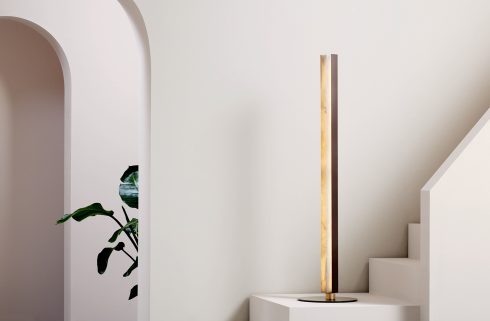
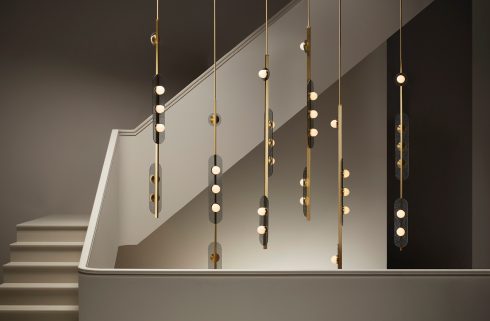
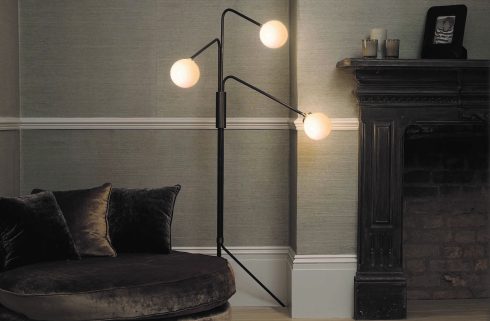
 TORRES FLOOR LIGHT
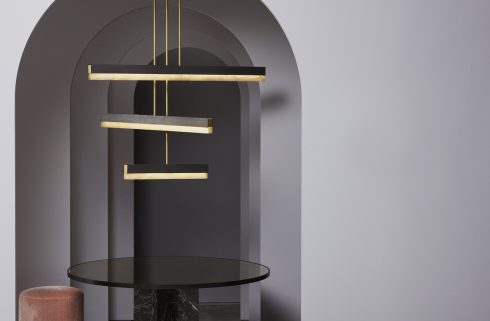
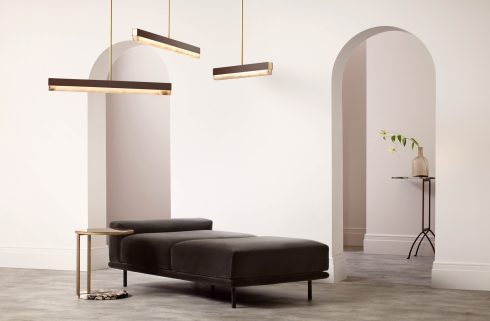
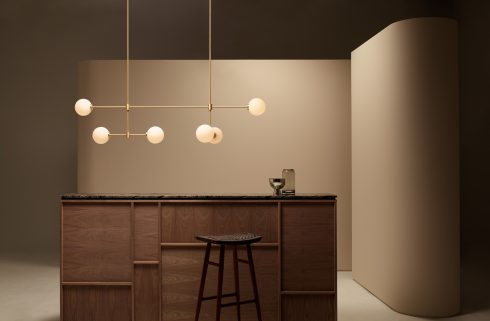
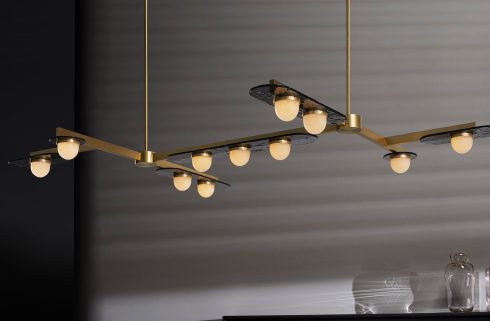
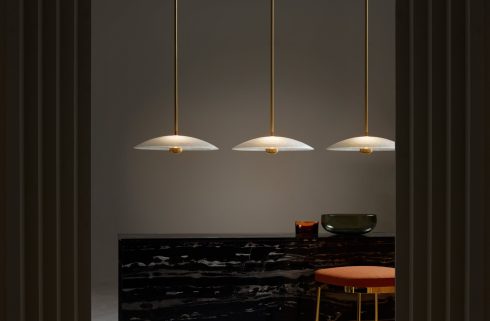
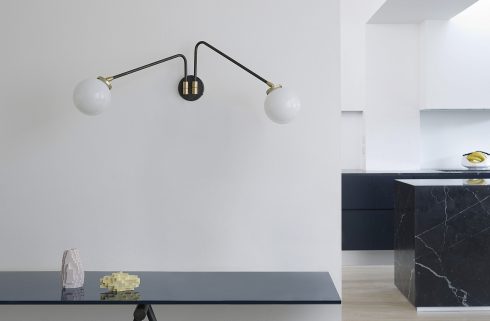
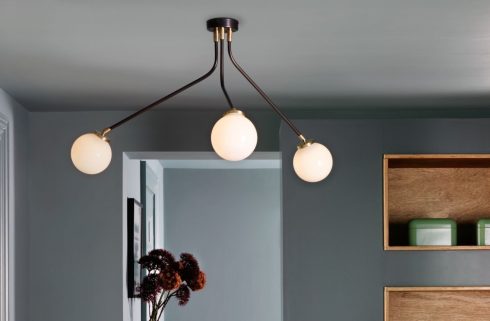
As interiors become more open and multifunctional, lighting in 2026 is becoming increasingly flexible. Fixed layouts are giving way to modular fittings that allow light to be shaped around the space, rather than imposed upon it.
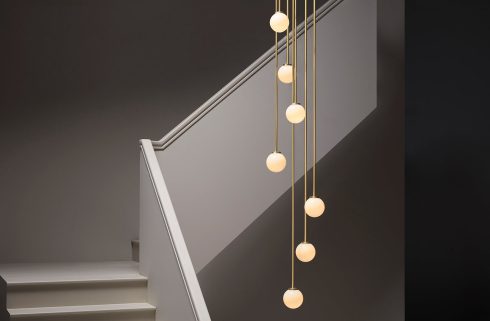
Livingetc’s 2026 Lighting Trend report explains that, “These adaptable fittings are letting designers and clients play with scale, proportion, and layout, so every installation feels personal and intentional. Designers can experiment with form and balance, tailoring a piece to the architecture or the view – it’s like sculpting with light.”
Beyond aesthetics, flexible fittings solve practical challenges such as off-centre ceilings or changing room uses, offering lighting that responds naturally to both architecture and everyday life.
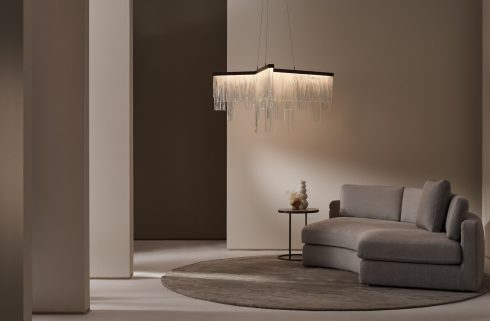
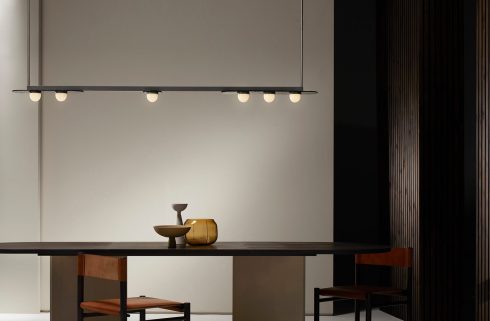
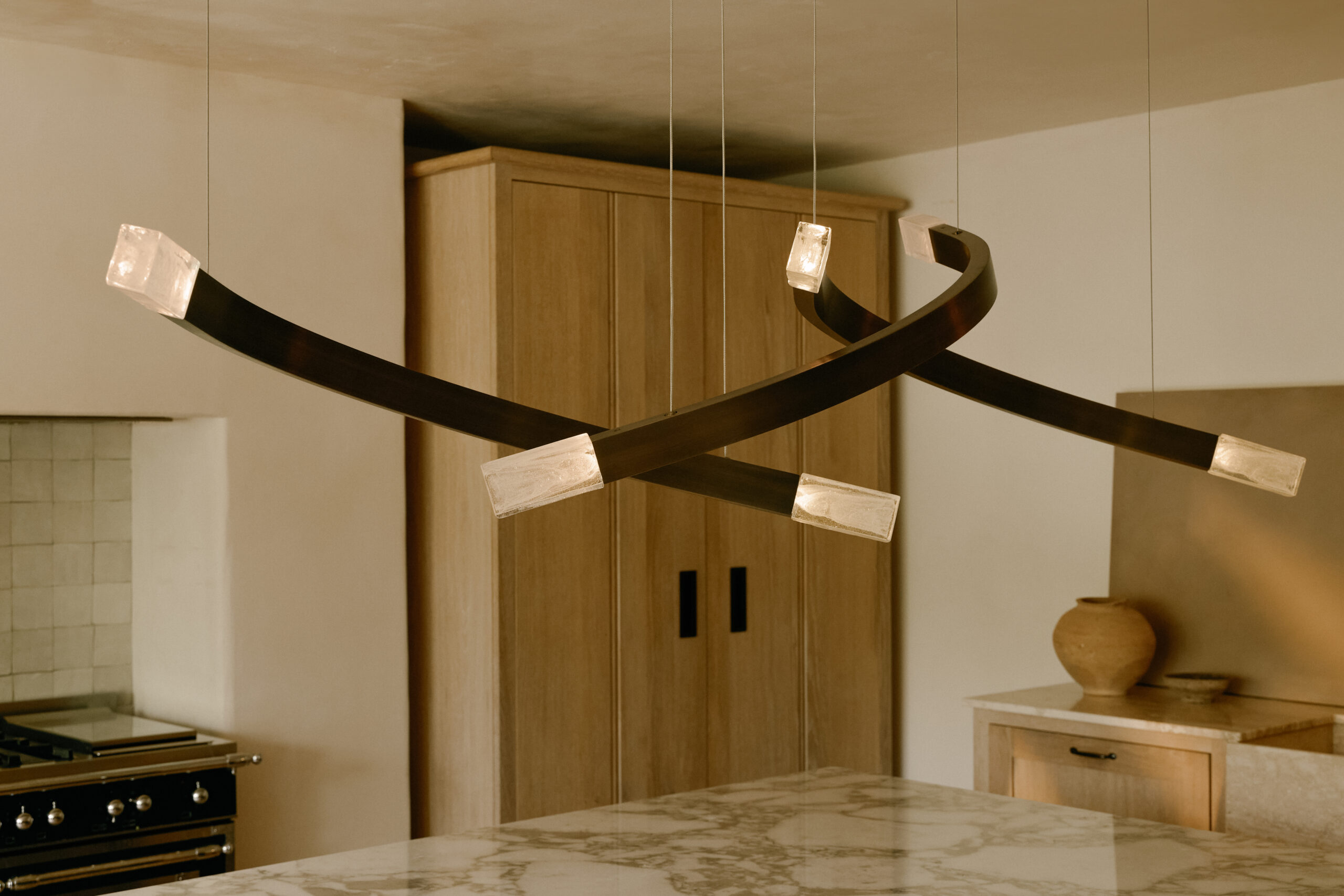 TRACE LINEAR PENDANT
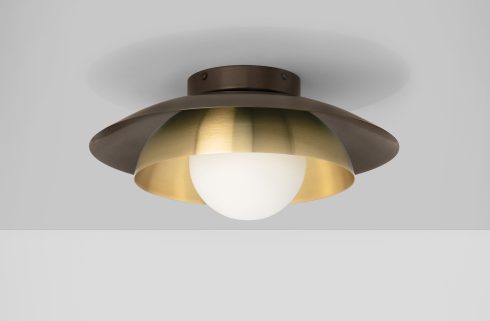
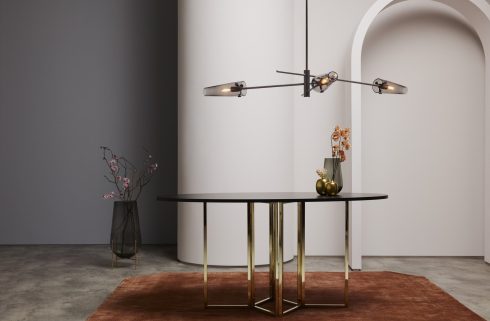
Alongside the renewed focus on craftsmanship, designers in 2026 are increasingly embracing the art of mixing materials. Rather than relying on a single finish, lighting is defined by the interplay of contrasting elements that create visual interest and tactile depth. According to Homes & Gardens’ 2026 Lighting Trends report, “designers are experimenting with pairings that feel unexpected and deeply crafted.”
Livingetc describes the trend as a welcome departure from rigid rules, noting that it is “nothing short of a materials mash-up,” with designers confidently combining stone, metals, leather, and tactile finishes to create lighting that feels both distinctive and collected. They highlight “Mixing materials brings depth and personality, each piece feels collected rather than manufactured. Contrasting textures soften the light and create visual tension, making fixtures feel like art objects as much as functional pieces.”
In 2026, this thoughtful blending of materials reinforces the idea that lighting is not just about illumination, but about character, warmth, and enduring design intelligence.
 ROC TABLE LIGHT
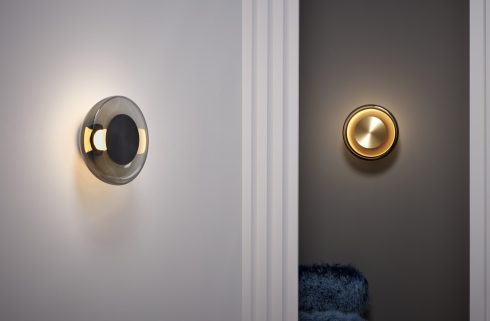
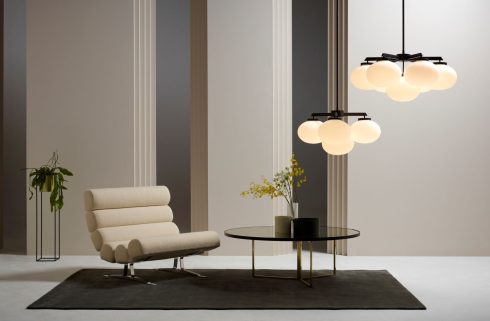
In 2026, lighting increasingly occupies the space between function and sculpture. Rather than blending quietly into the background, certain fixtures are designed to be seen, appreciated, and even collected. Light becomes an artistic gesture, adding personality and expression to interiors without overpowering them.
This shift reflects a growing desire for pieces that feel considered and individual. As one interior designer notes in Veranda’s 2026 Lighting Trends report, “For lighting, we are treating fixtures almost like jewellery for the room, especially in bedrooms and kitchens where people are spending so much time; sculptural pendants, interesting frame and shade combinations, and art-focused lighting are all playing a big role in how we build layers of light.”
These pieces are not purely decorative. Their success lies in the balance between beauty and purpose. According Home & Gardens’ report, sculptural fixtures work best in communal spaces where their form and texture can be fully appreciated. “I think consumers are always searching for something fresh to bring into their spaces,” she explains. “Especially pieces that feel both artistic and functional.”
From expressive pendants to wall lights that read as objects in their own right, lighting in 2026 embraces its role as a visual focal point. Carefully placed and thoughtfully crafted, these pieces bring a sense of artistry to interiors, reinforcing the idea that light can be as meaningful and expressive as any artwork on the wall.
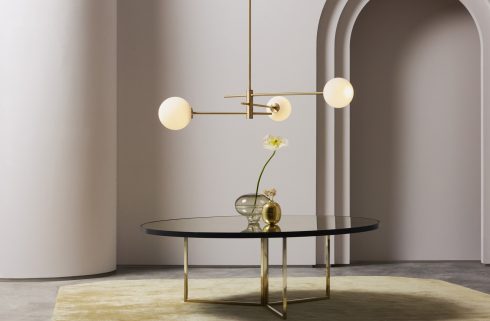
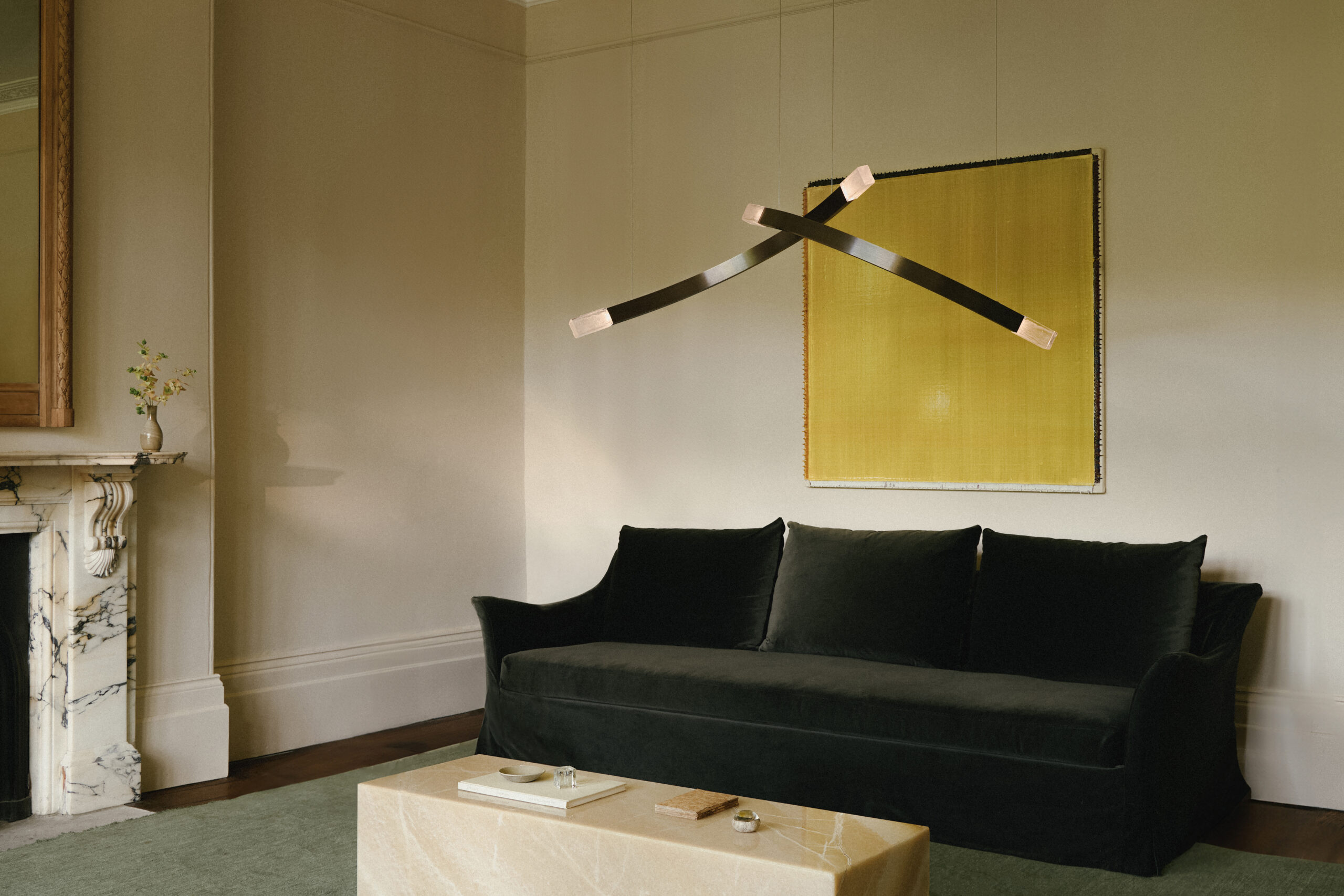 TRACE LINEAR PENDANT
Beyond functionality, lighting in 2026 plays an increasingly important role in emotional wellbeing. Designers are paying closer attention to how light influences mood, comfort, and perception throughout the day.
Los Angeles–based designer Jessica Nicastro notes that ‘People are craving spaces that feel calm, warm, and personal, and lighting plays a huge role in that.’
This approach reflects a wider cultural move towards slower, more intentional living, where interiors are designed to nurture, soften, and support everyday life.
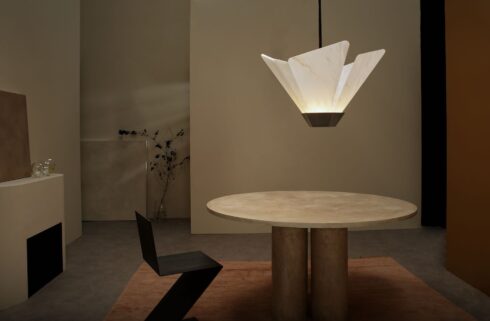
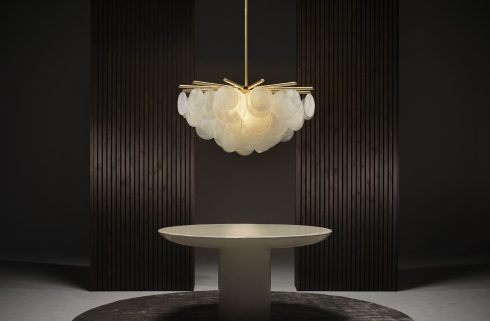
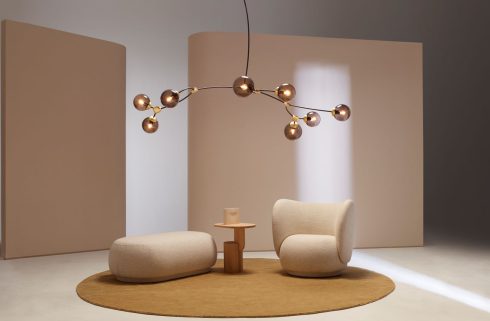
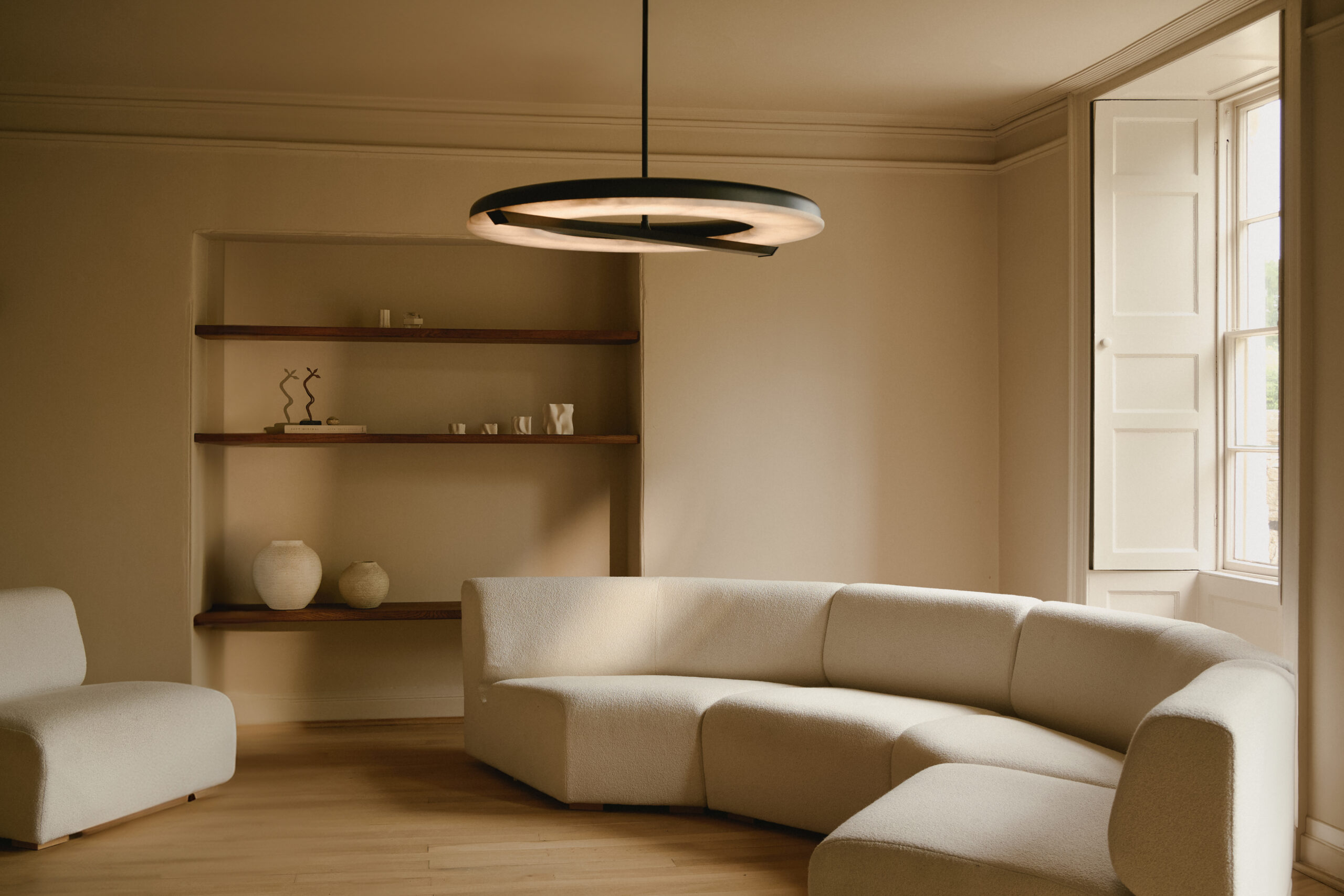 CERES PENDANT
Lighting trends for 2026 reflect a design landscape that values depth over decoration. Material honesty, atmospheric light, and thoughtful integration take precedence over novelty or excess.
From softened surfaces to quieter statements, lighting in 2026 becomes an essential architectural and emotional tool. Each decision is deliberate, shaping interiors that feel calm, grounded, and enduring. In this more considered approach, lighting moves beyond illumination to become a defining element of how we experience space itself.