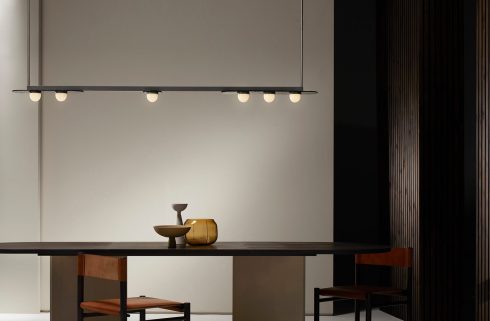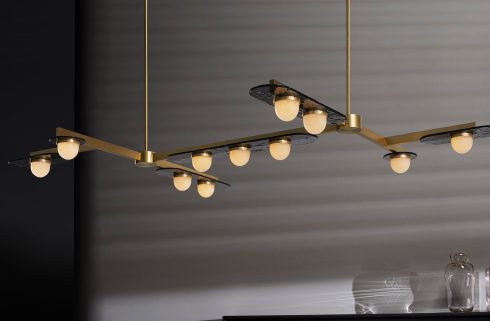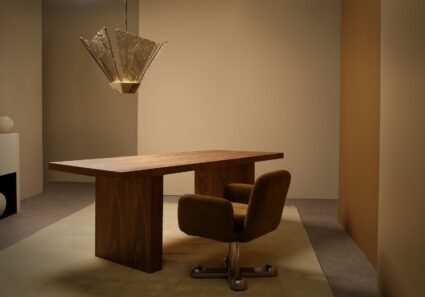

At CTO Lighting, every design is a fusion of materiality, craftsmanship, and innovation. From the selection of noble materials to the meticulous hand-finishing process, our pieces are designed to endure, both in quality and aesthetic. But what truly defines the creative process behind our collections?
We sat down with Clare Turner, Co-Founder and Creative Director of CTO Lighting, to explore the philosophy that shapes our designs, the inspirations behind our collections, and the role of craftsmanship in creating contemporary lighting with a timeless presence.
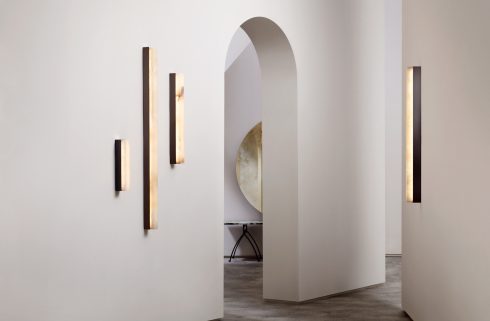
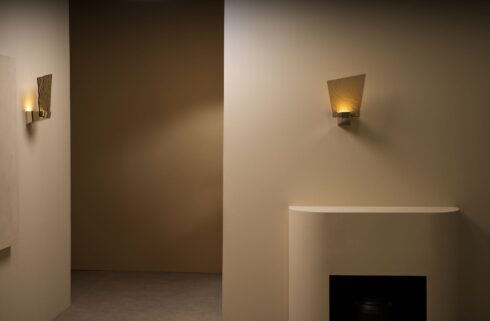
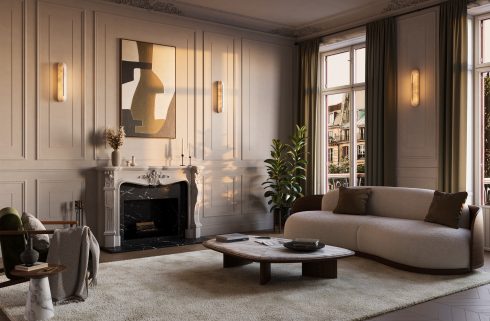
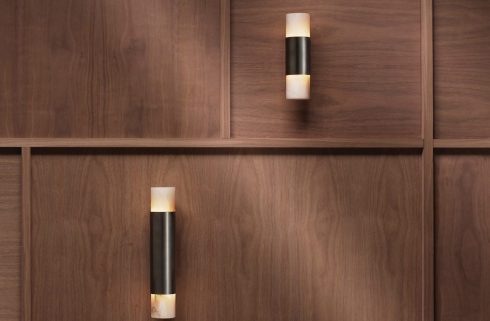
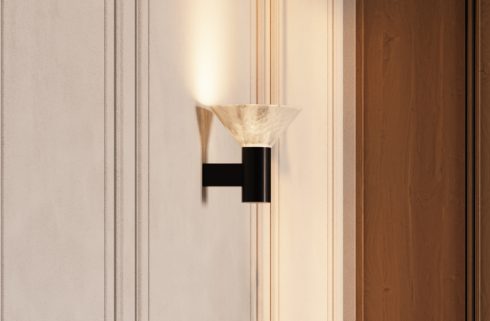
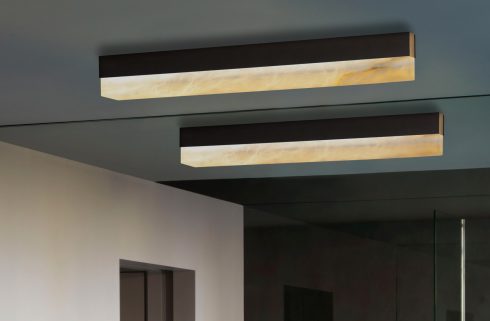
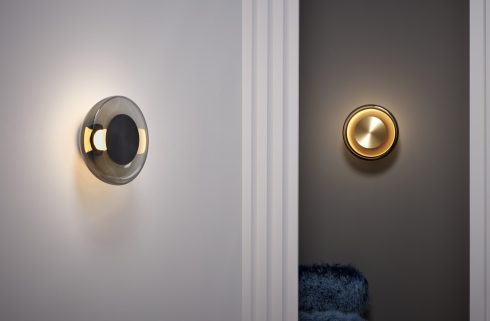
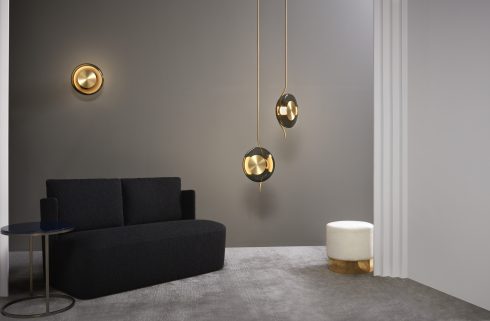
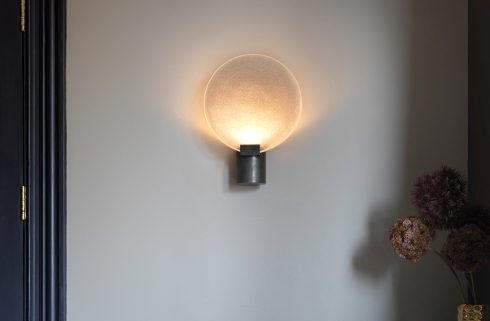
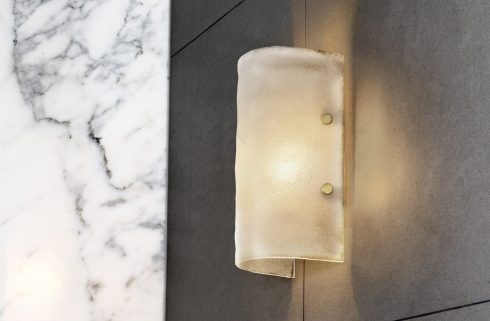
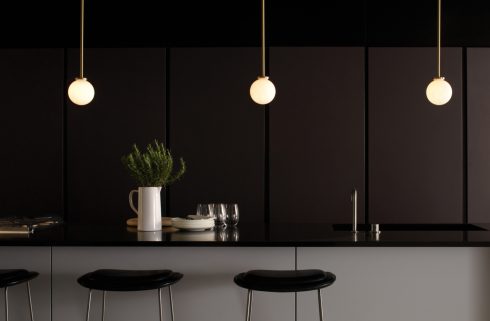
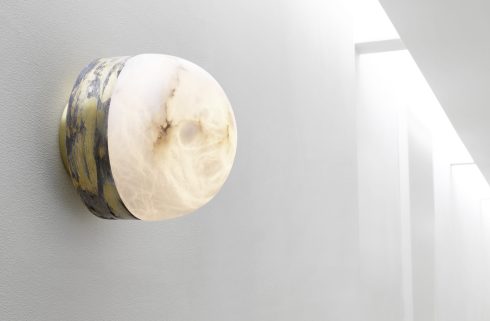
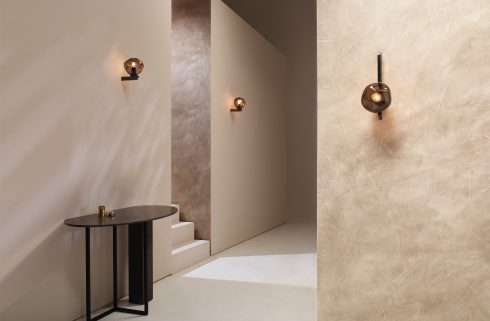
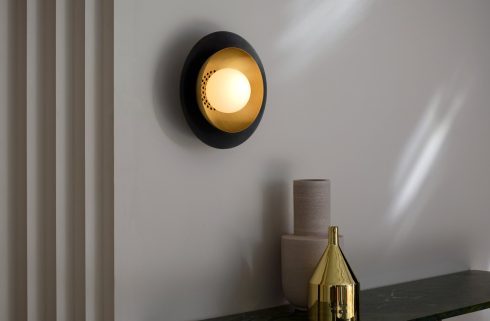
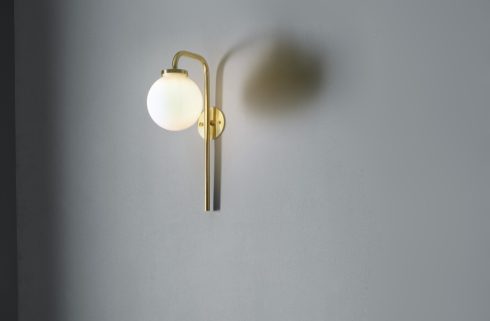
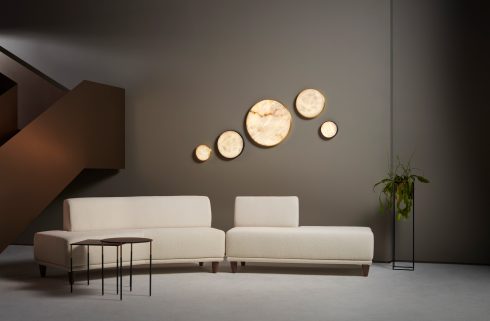
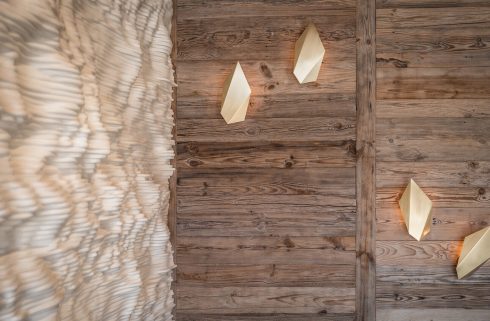
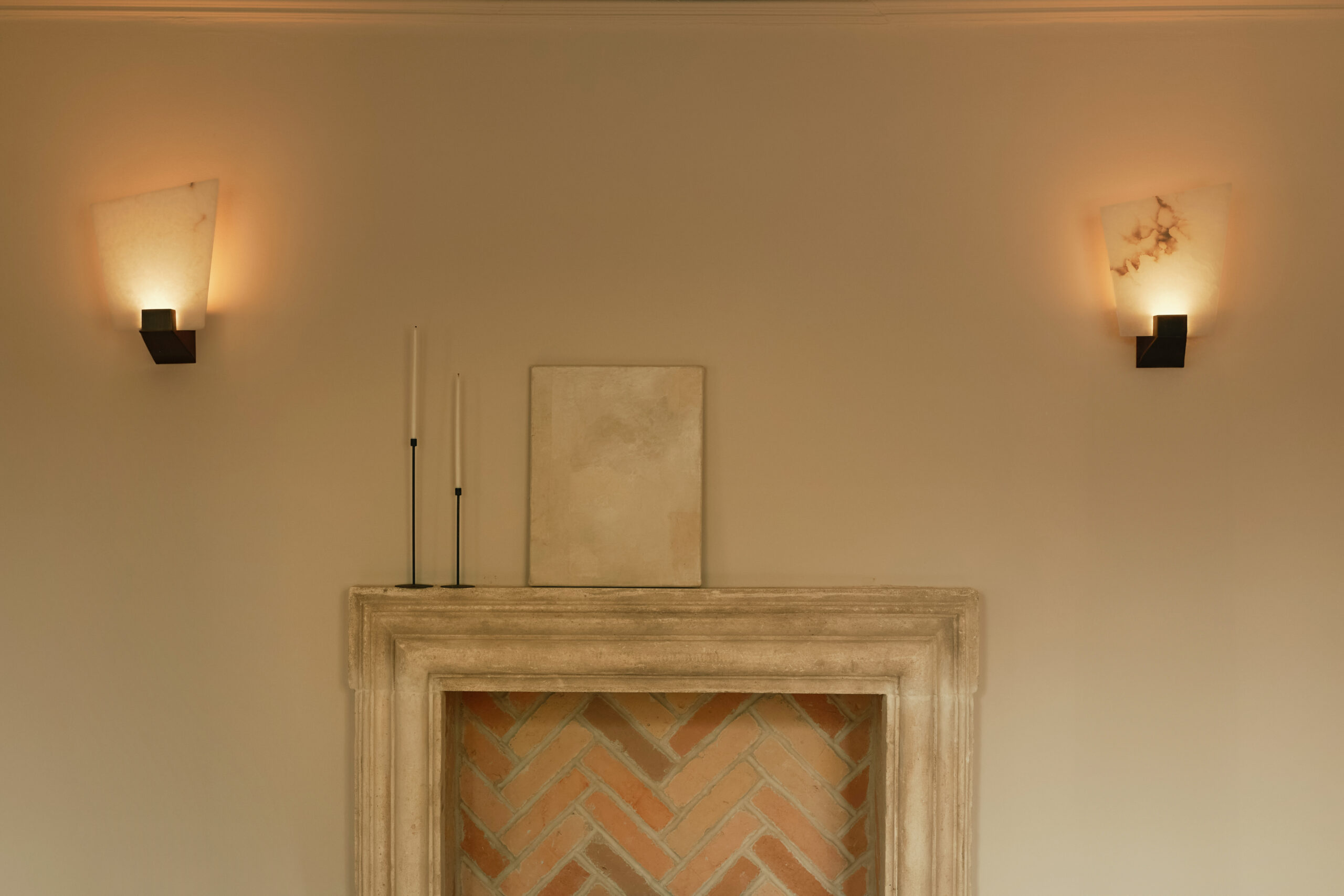 RELIC WALL LIGHTS
A: Materiality is at the heart of our design philosophy. We create contemporary lighting in luxurious materials that transcend trends, evoking an atmosphere of serenity and timelessness. Our design DNA centres around refined, understated luxury—one that doesn’t need to shout but instead celebrates the craftsmanship of our artisans. The handmade nature of our designs is what gives them true value.
We aim to go beyond the simple functionality of a fixture: ultimately creating an atmosphere which will transform a room with warmth and emotion; subliminally contributing to the emotional well-being of those that inhabit the space. We believe that by using natures finest materials, the products have a longevity and quality that truly enhances the quality of the interior.
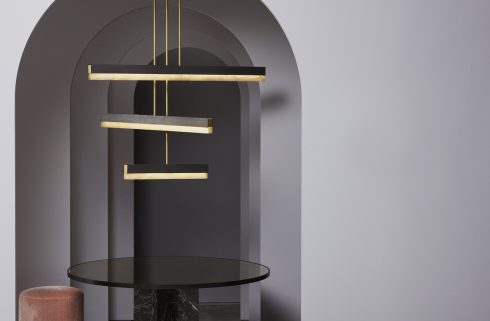
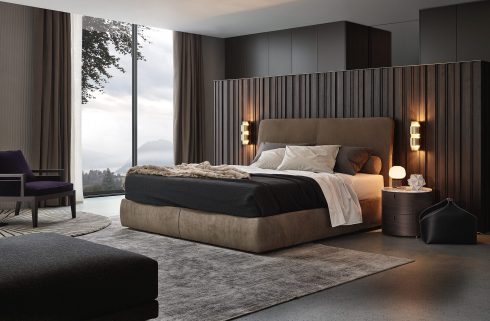
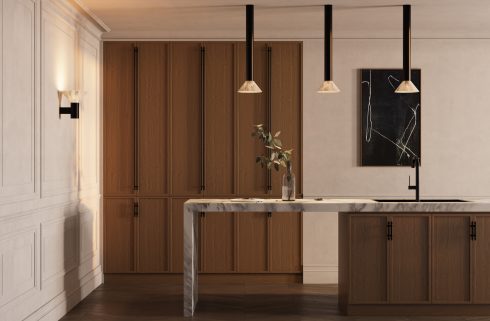
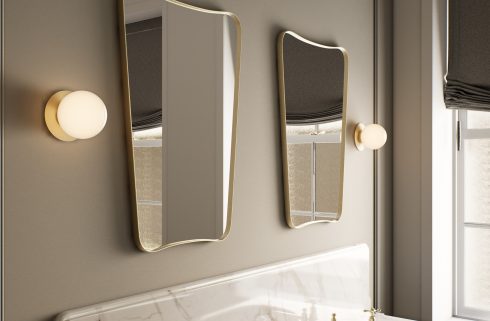
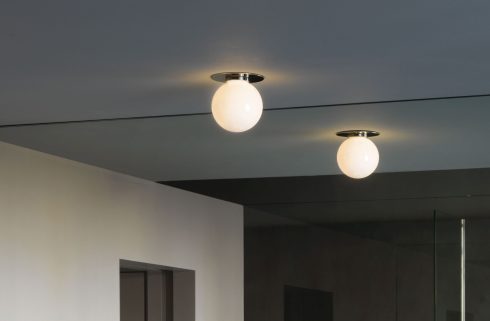
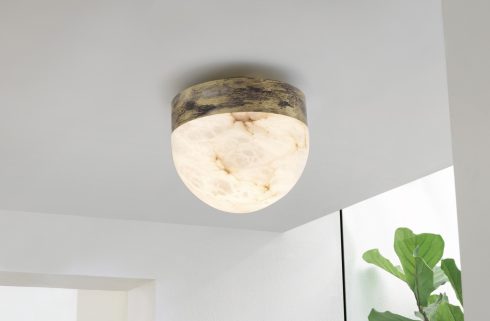
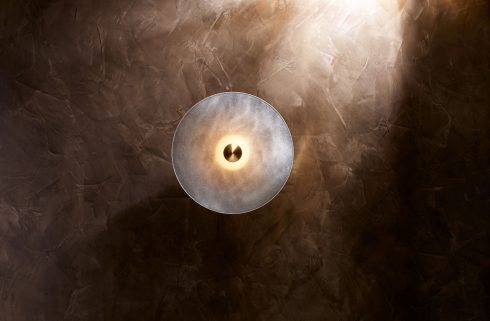
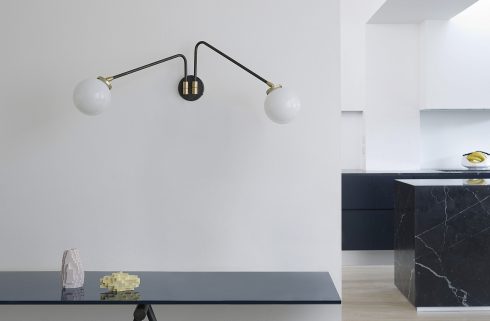
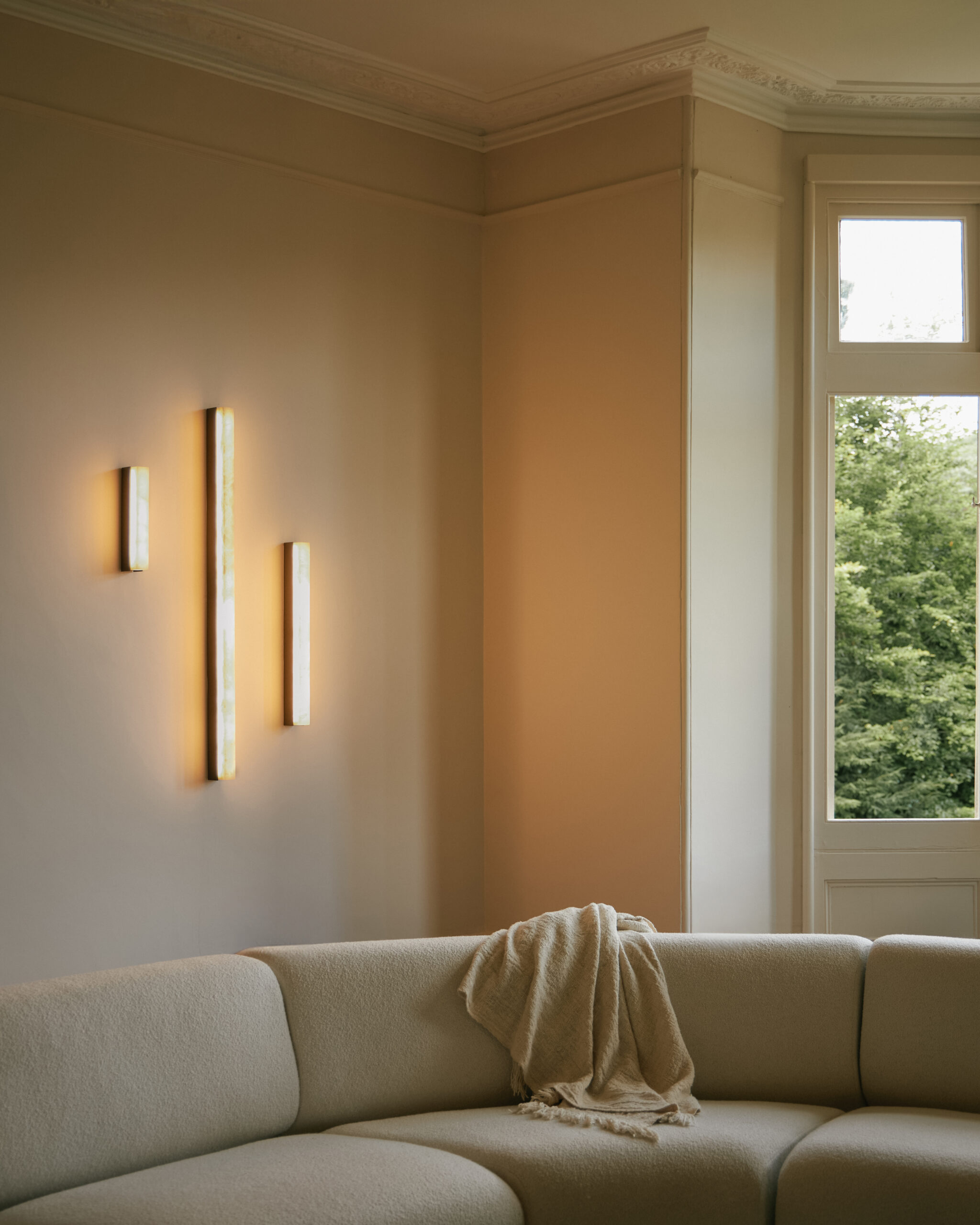 ARTES WALL LIGHTS
A: The materials we use are the architecture of the light, but it’s the way we illuminate them that transforms a fixture into something truly special. To achieve this balance, we work closely with our artisans, refining each detail through rigorous testing and prototyping until we reach we reach a point that we think the idea is good enough to bring to market.
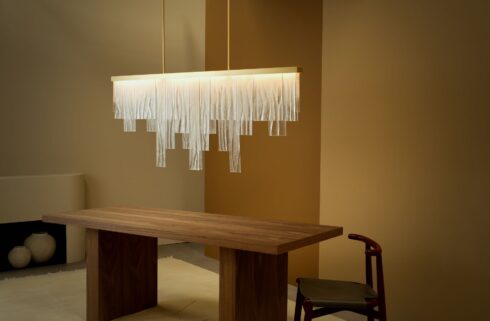
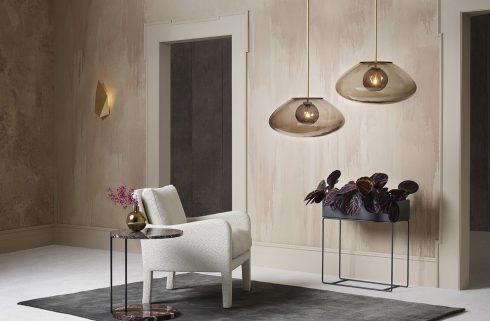
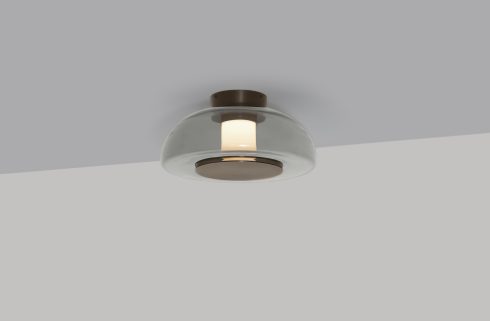
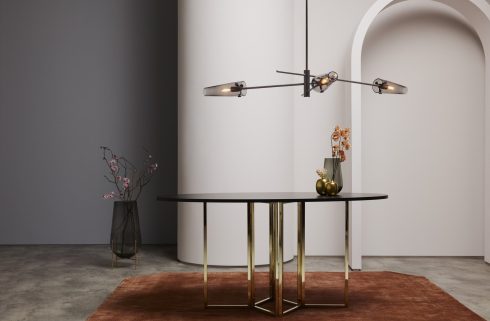
For example, when developing the SHARD pendant and RELIC wall light, we experimented with over ten different glass textures before reaching the perfect diffusion effect. We take the light source to the workshops of our artisans so they can immerse themselves in the process. It is through this teamwork that we create a happy balance of creativity and functionality in our practice.
A: “Make it once and make it well” is a familiar mantra at CTO Lighting. Longevity—both in design and craftsmanship—is our starting point. We are proud to manufacture in the UK, working with local artisans and sourcing materials as close to home as possible. This allows us to maintain the integrity of handmade processes in an increasingly industrialised world.
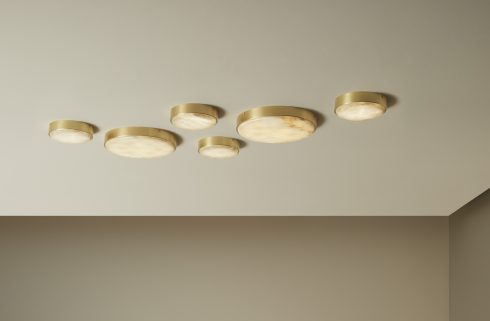
We believe in the value of making. Our team of skilled makers take immense pride in their craft, ensuring that every piece is finished to the highest standard. By investing in noble materials such as solid brass and alabaster, we create lighting that is built to endure—pieces that people respect as design classics.
Sustainability also informs our approach to engineering. We continually edit the engineering of the product to ensure the least amount of components are used and will design it in such a way that it can be easily repaired if it gets damaged or broken. All metal is recycled and repurposed as is the packaging.
As a guiding principle, we believe that the best materials and craftsmanship create lasting value—something that discerning clients will always recognise. “Quality is remembered long after the price is forgotten” – a well-used quote from my childhood.
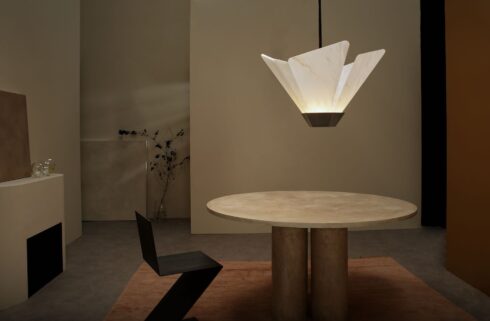
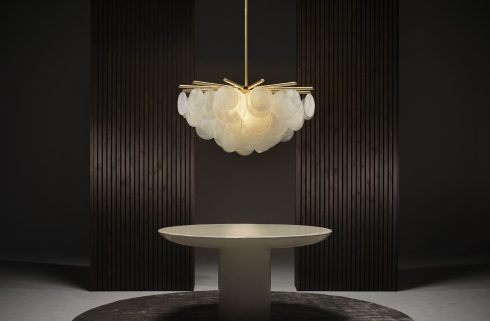
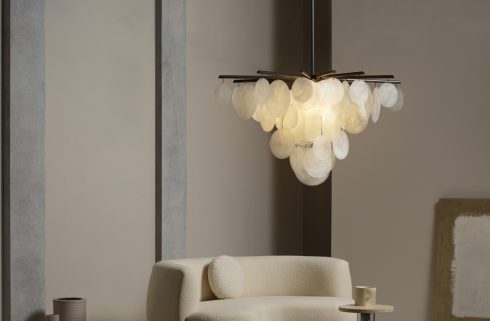
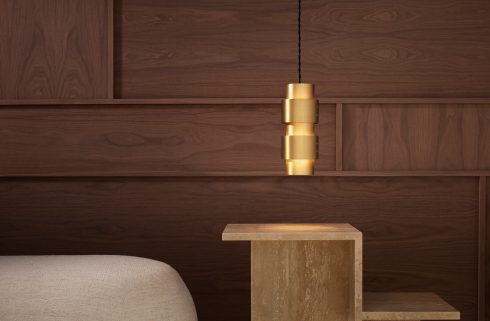
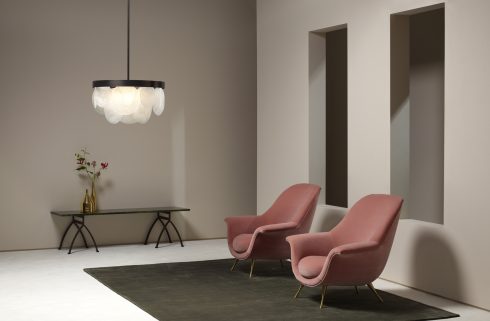
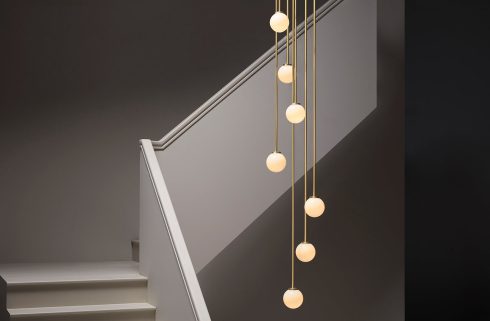
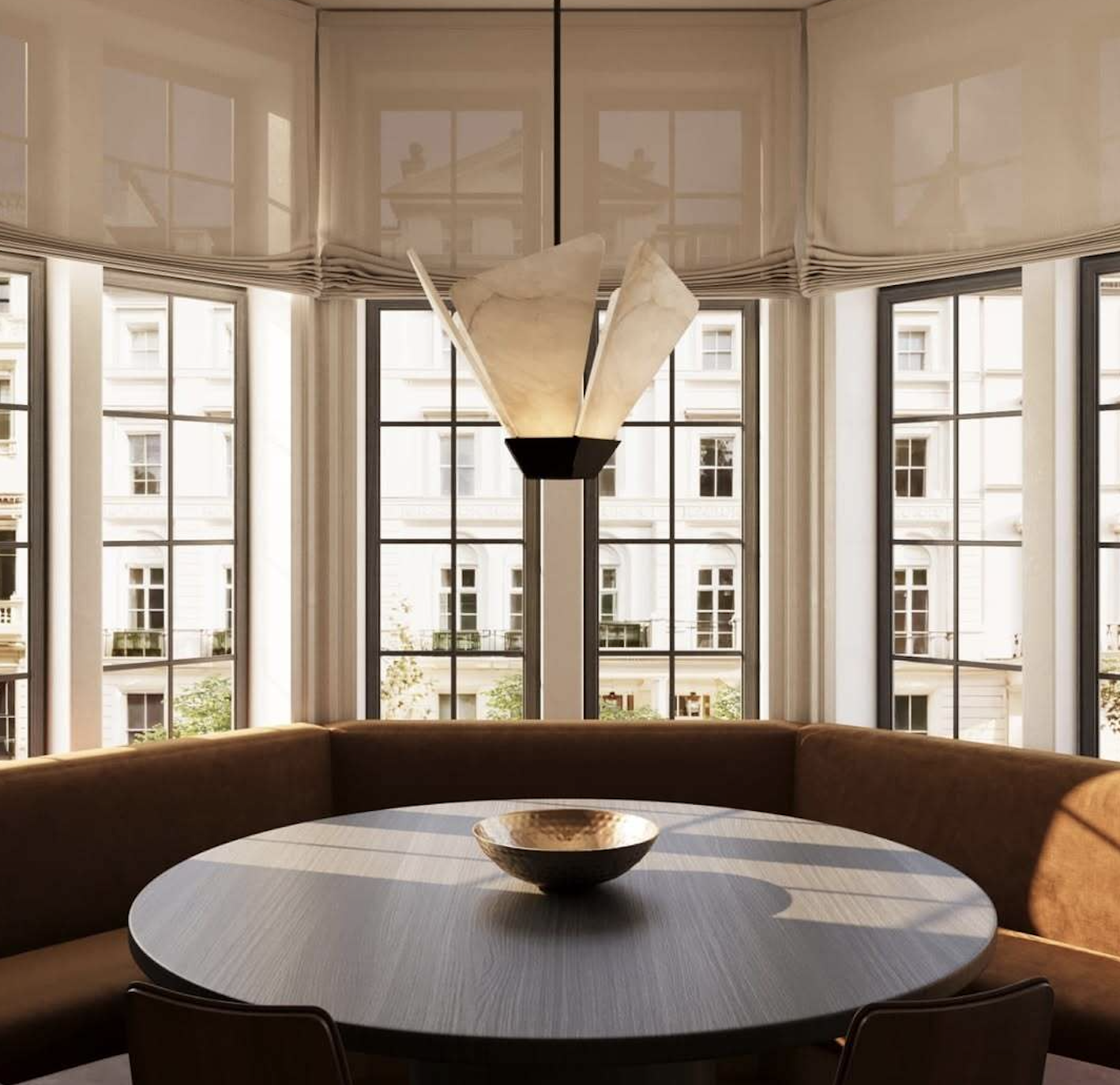 SHARD PENDANT
A: It is a combination of a few things…. Firstly, the raw materials and artisanal processes themselves inspire us to create ways to utilise their skill or properties. Being fully immersed in the making process gives us a better understanding of what is possible for the material. For example, when visiting alabaster quarries, we unearthed new tones and material richness that wouldn’t have been apparent in a studio setting. By working closely with our makers, we often adapt and develop new techniques to create something entirely unique.
For example, the new TRACE collection was born of a notion to create an otherworldly effect to defuse the light source by using liquid glass cast with a unique effect. We worked with the makers to capture the desired effect based upon their centuries old techniques.
Nature and our natural surroundings have increasingly inspired us when composing compositions of light. The canopy of a tree or the curve of an overarching branch can spark new ideas for chandelier structures.
Equally important is the context of the interior. Very often, a new concept arises from a specific architectural requirement, whether it’s a decorative bathroom light with built-in functionality or an organic chandelier to soften geometric furniture. Our lights should compliment an interior, never fight with them for attention. We aim to create a holistic atmosphere which elevates the space and encourages a quality of living well.
The inspiration for many of our lights has come from designing fixtures for our own home where we wanted something unique, but timeless and rich in materiality. The SHARD pendant, for example, was conceived for our large square hallway, designed to hover above a bespoke Brazilian marble table.
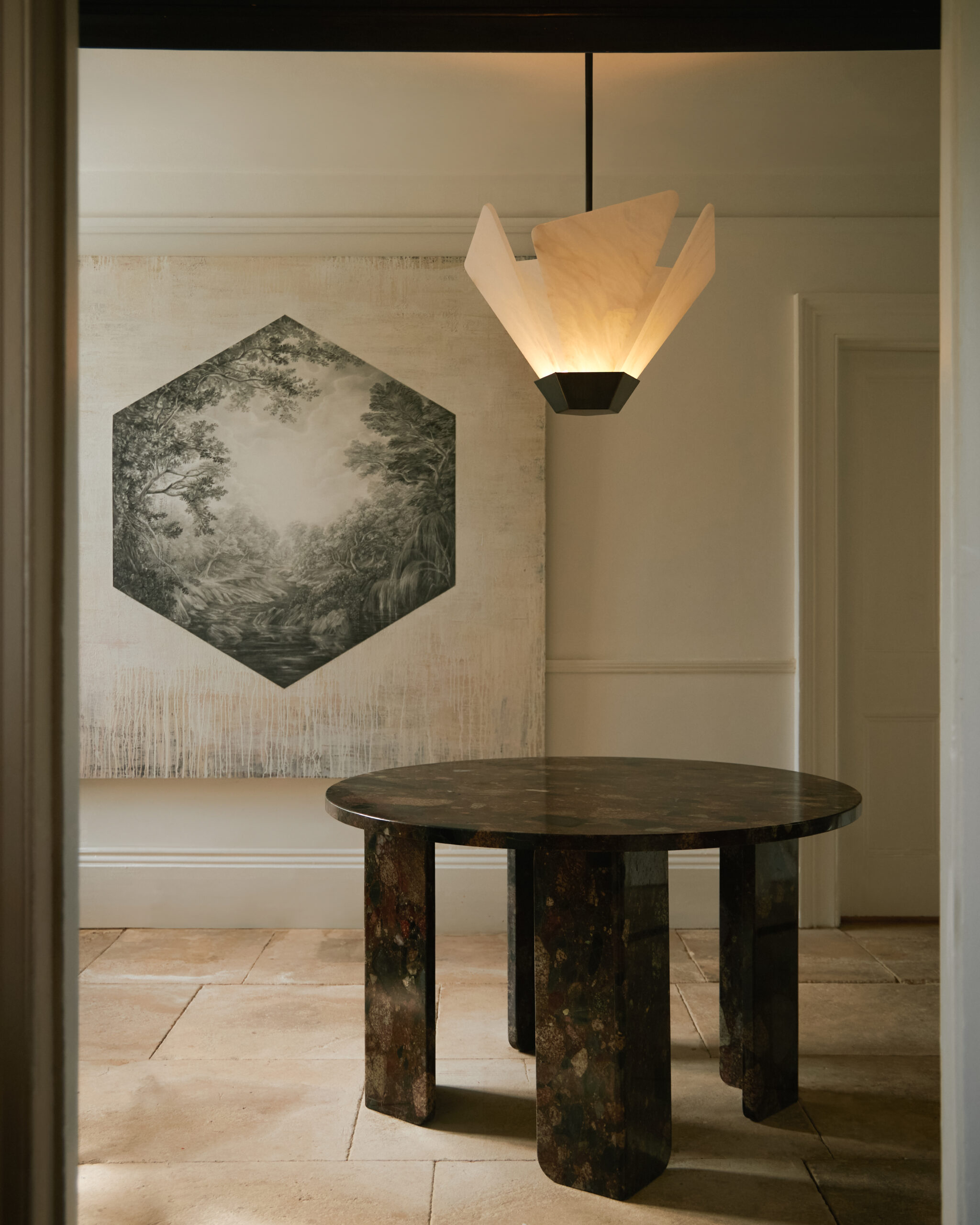 THE SHARD PENDANT IN CLARE'S COTSWOLDS HOME
A: The work of artists and sculptors, particularly from the early twentieth century, has always fascinated me, as artistic abstraction was truly original and groundbreaking for its time. In both art and interior design, the birth of Modernity in the early 1900s remains a constant source of inspiration, influencing the clean lines and materiality it evoked. We strive to create freshness and originality that respond to the needs of our time while respecting past movements.
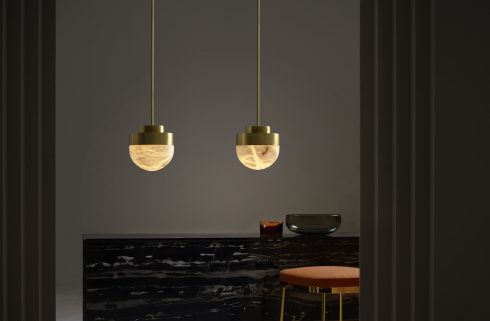
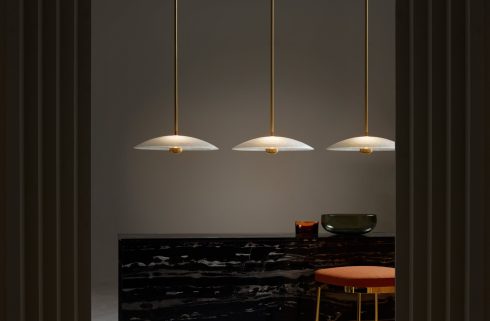
In some respects, I believe the best designs and ideas are instinctive. For example, the new JULES collection was inspired by the work of Jules Wabbes. He primarily worked in furniture and was fastidious about quality. We imagined the type of light he might create today to complement his interiors if he were still alive and contributing to contemporary projects. Instinctively, we were drawn to the casting process to define the heavy bronze details that were a signature of his work, pairing them with modernist etched white glass. The result is a pendant with a twisted motion that extends from the glass shade to the ceiling—a design that feels contemporary yet honours Wabbes’ material qualities.
Ultimately, inspiration can come from anywhere. Once the eye sees something, it can never un-see it, and so often, often designs are the result of looking at many things that subliminally resurface when working on new collections. It is important not to force a reference. It can simply be a surface texture from the bark of a tree that will inspire a new metal finish or a beautiful piece of alabaster that will inspire a suitable form to illuminate.
 JULES PENDANT
A: Whilst interior design and architecture are the context for our lighting we are not bound to a particular style. There are clearly trends in colours and finishes that we respond to but quality materials are never out of fashion and hold their value.
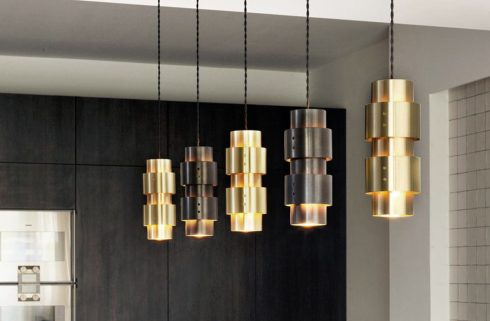
There is always a need for lighting that enhances a space. There are specific needs within an interior, and spaces must be lit both beautifully and practically. We strive to fulfil these requirements while also inspiring designers with our materially rich lighting. Working with world-class interior designers and architects often influences how we present a collection, as they often customise our designs. For example, they may create clusters of a single pendant and display them in a voluminous space.
Throughout the year, we visit exhibitions and galleries, immersing ourselves in the visual arts. We collect books on archival design and research designers we admire—Andrée Putman, for example, is a longstanding inspiration, particularly her interiors for Morgans Hotel in New York. Charlotte Perriand brought a softness in her furniture designs to an otherwise geometric interior, both trailblazing women designers.
The creative team sets the vision, combining interior requirements with artistic expression. This process involves months of sketching, model-making, and material sourcing. We collaborate closely with engineers and suppliers, refining colour temperature, light output, and technical details—typically requiring multiple iterations to achieve harmony. Light quality is paramount; we strive to create that “golden hour” glow, the most flattering and atmospheric illumination.
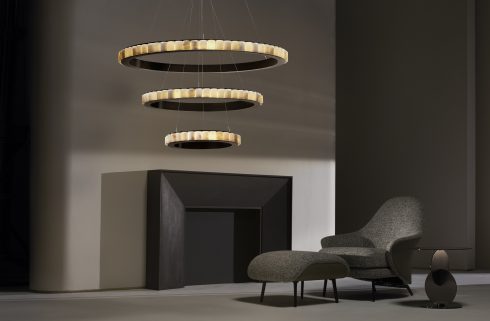
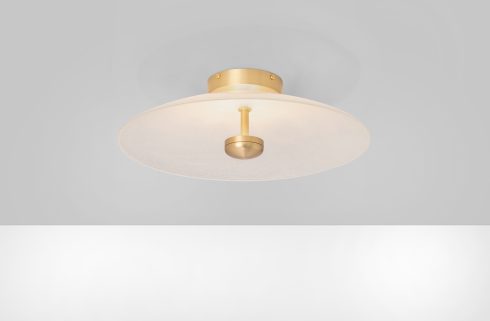
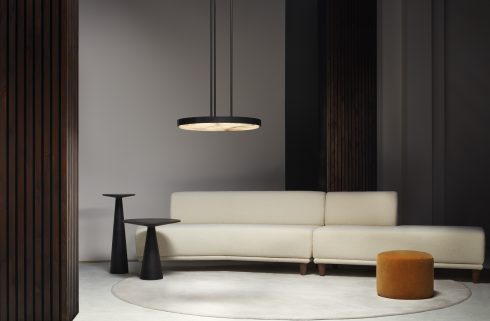
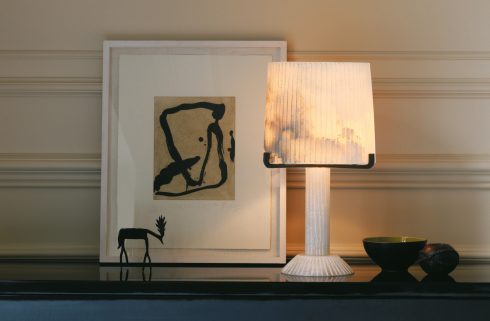
Our designs evolve through prototyping and close collaboration with artisans whose skill and experience bring each piece to life. With an almost obsessive focus on diffusing light beautifully, we explore ways to refract and soften illumination. Alabaster, with its unique translucency, has been used for centuries in church windows to create a warm, ethereal glow—a quality we embrace, merging nature’s resources with today’s most advanced lighting technologies.
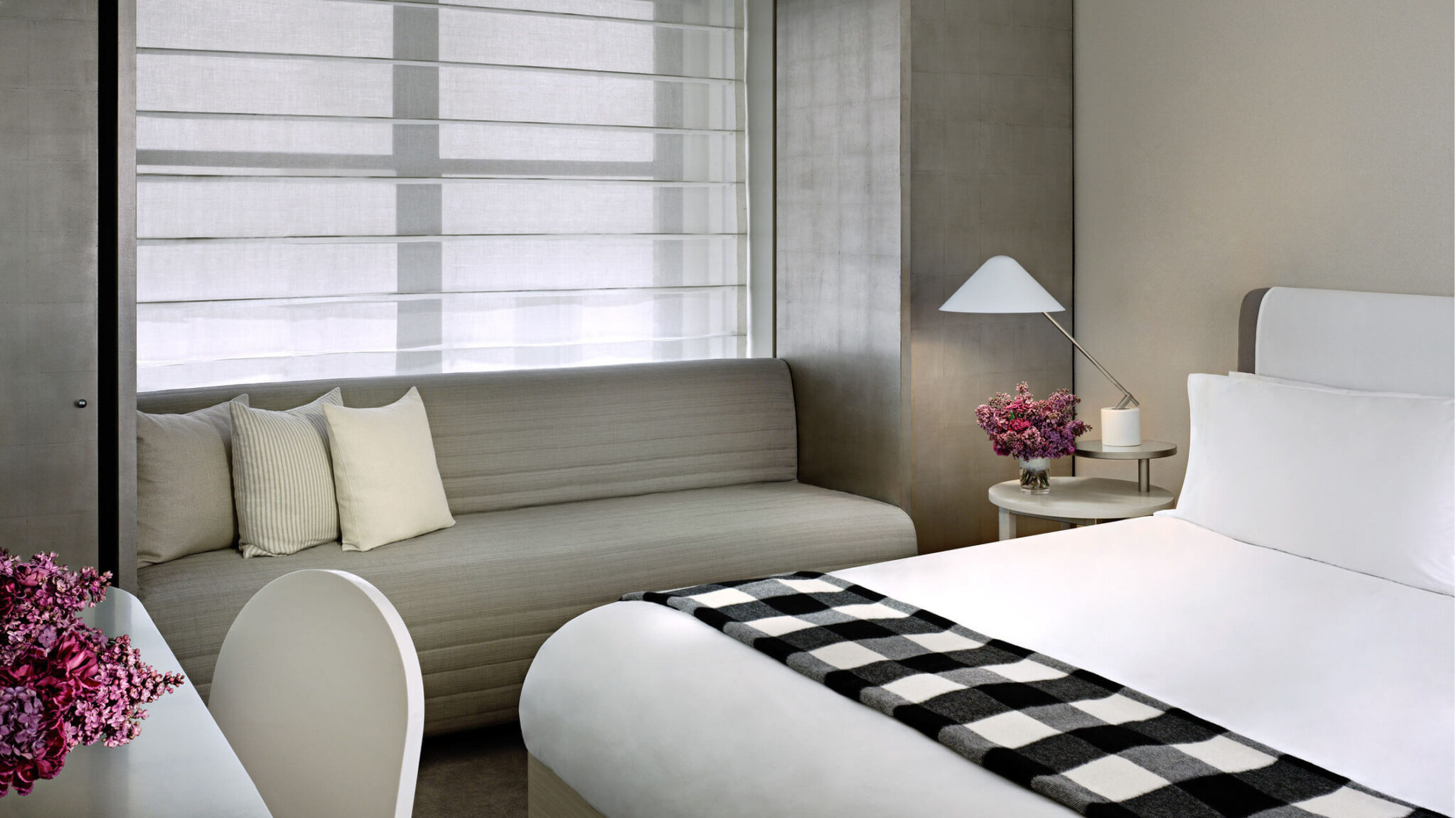 MORGANS HOTEL IN NEW YORK BY ANDRÉE PUTMAN
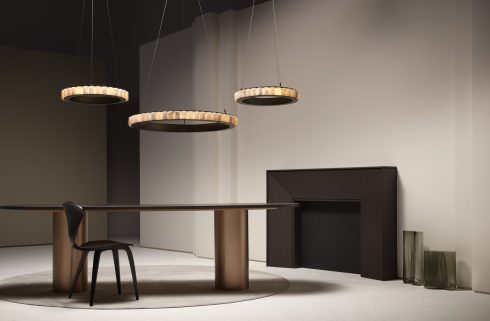
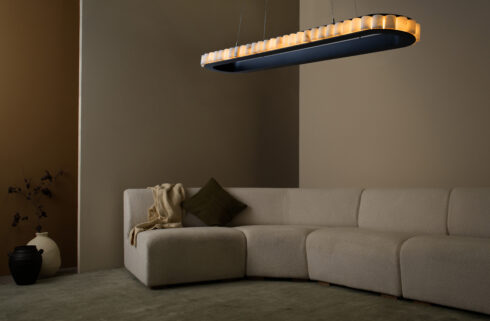
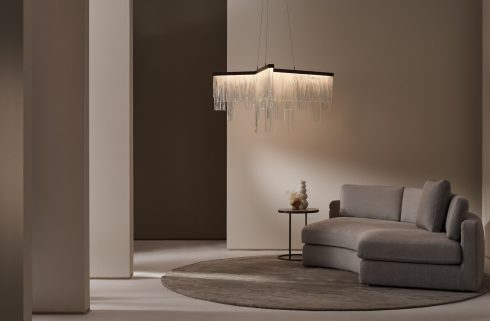
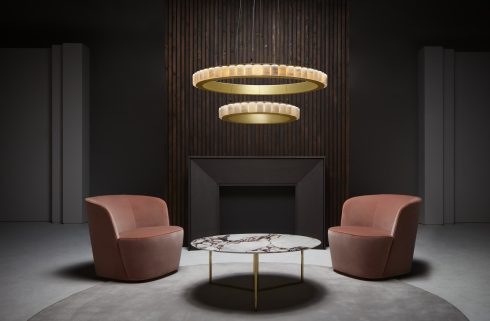
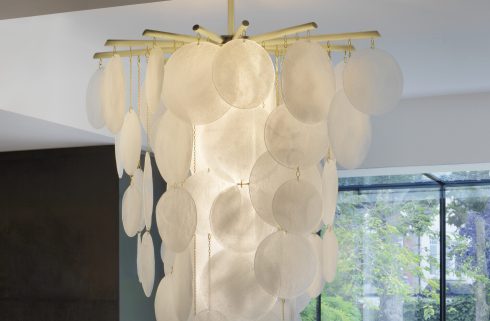
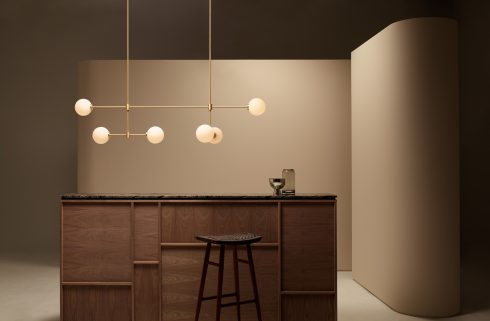
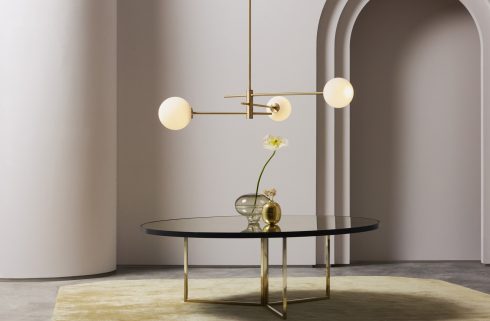
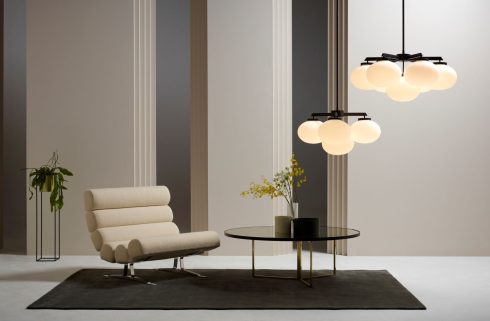
AVALON, for me, is a signature piece created during the global shutdown in 2021. The design brief was simple: to create a chandelier that was contemporary in form yet decorative in materiality, while ensuring it did not obstruct the view when installed in an interior.
We had just begun experimenting with materials when the lockdowns began, making it challenging to produce samples and impossible to visit suppliers. The design team adapted, communicating online, sharing models and samples, and meeting at a distance to review initial concepts. Decisions were made quickly, guided by instinct—we just went for it. We launched the collection digitally to customers worldwide, and the response was immediate, with orders coming in straight away. Sometimes, you just know when something is right—when you know, you know!
AVALON hit a sweet spot as it delivered a new typography of rich materials in a contemporary silhouette… We have subsequently added to the collection with larger sizes and installations. Since then, we have expanded the collection with larger sizes and new installations, continuing its evolution.
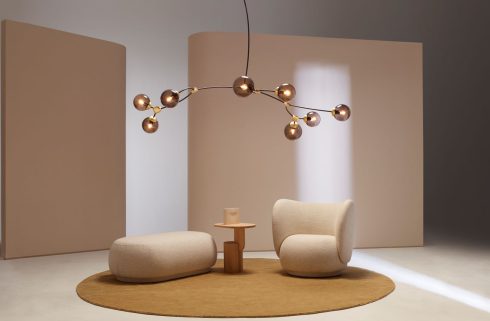
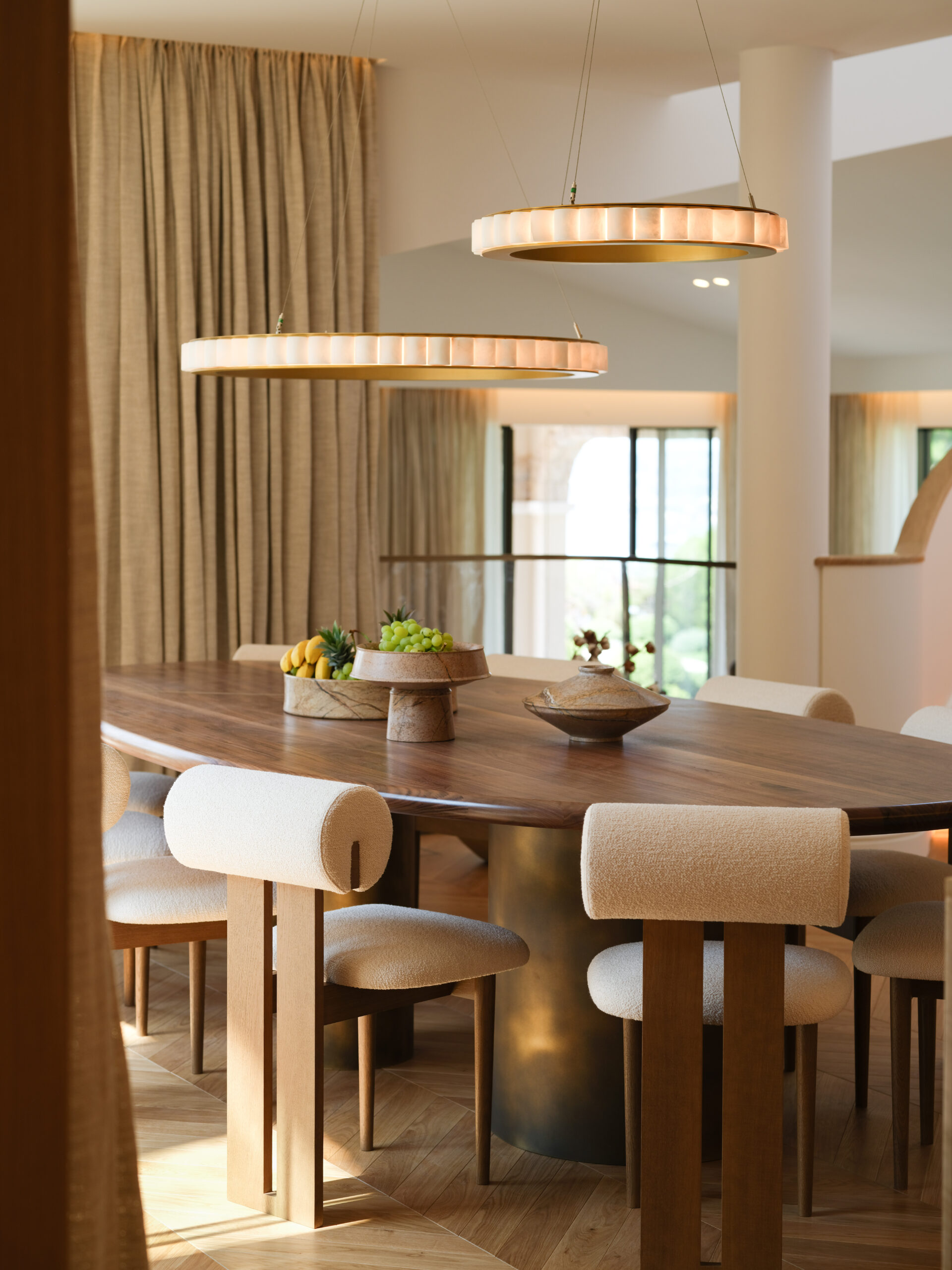 AVALON CHANDELIERS IN PROJECT BY MAISON MAJU
I believe that the luxury sector has led the way in tactility and emotional design, and I expect this to filter down to all markets. In a digitally driven society, we, as humans, need tactility and softness to nurture us. This extends to lighting interiors with sensitivity, allowing users to fully appreciate the sanctuary of their home.
Natural materials play a key role in this movement, and I hope our material-rich lighting enhances the quality of interiors, whether in residential or commercial settings. When you see our brass and antique bronze finishes in person, their superior quality is immediately evident compared to sprayed flat finishes. Whether illuminated or not, our light fittings remain tactile and rich in character.
Much of the emphasis in lighting has been on technical developments in LEDs, and while this has brought energy benefits, I believe it has also led to spaces being overlit. Just because you can doesn’t mean you should line every wall with washes of light.
I strongly resonate with the views of Japanese writer Jun’ichirō Tanizaki, who, in In Praise of Shadows (1933), highlights the balance between darkness and light. He believed that excessive brightness “drives away whatever beauty may reside there.” While it is possible to increase lumens, this should always be done with careful consideration of the softness and warmth that decorative lighting brings to a space.
This remains our ultimate aim: to design light fittings that balance functionality with beauty, creating an atmosphere of elegance and calm that enhances the well-being of those who experience it.
A: Experiment, be open minded and learn from everyone around you. There will be successes and failures and that’s ok. Be conscious of the decisions you make and from where you source your materials. Believe in yourself and your vision and be open to feedback from the market. Commerciality is important as we want to satisfy the clients’ needs, whilst inspiring them at the same time. Finally trust your instincts, you will have to justify your choices to many but trust will build as relationships develop in the industry.
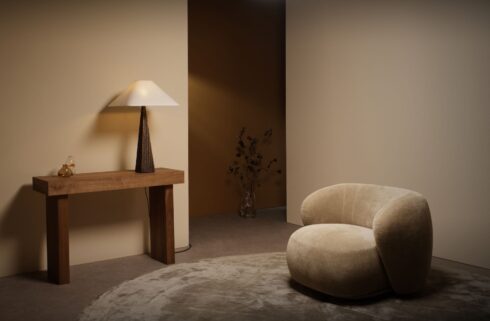
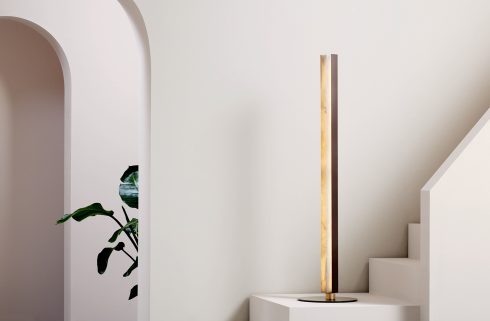
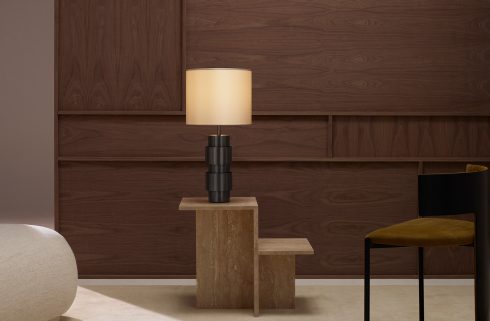
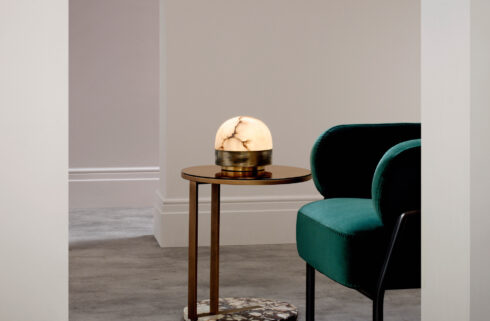
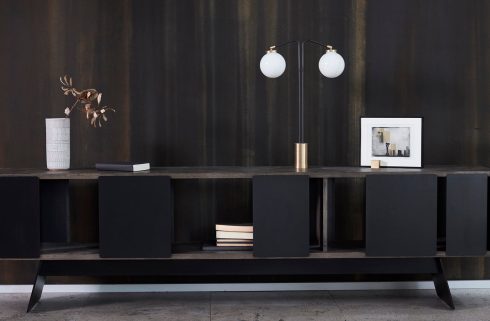
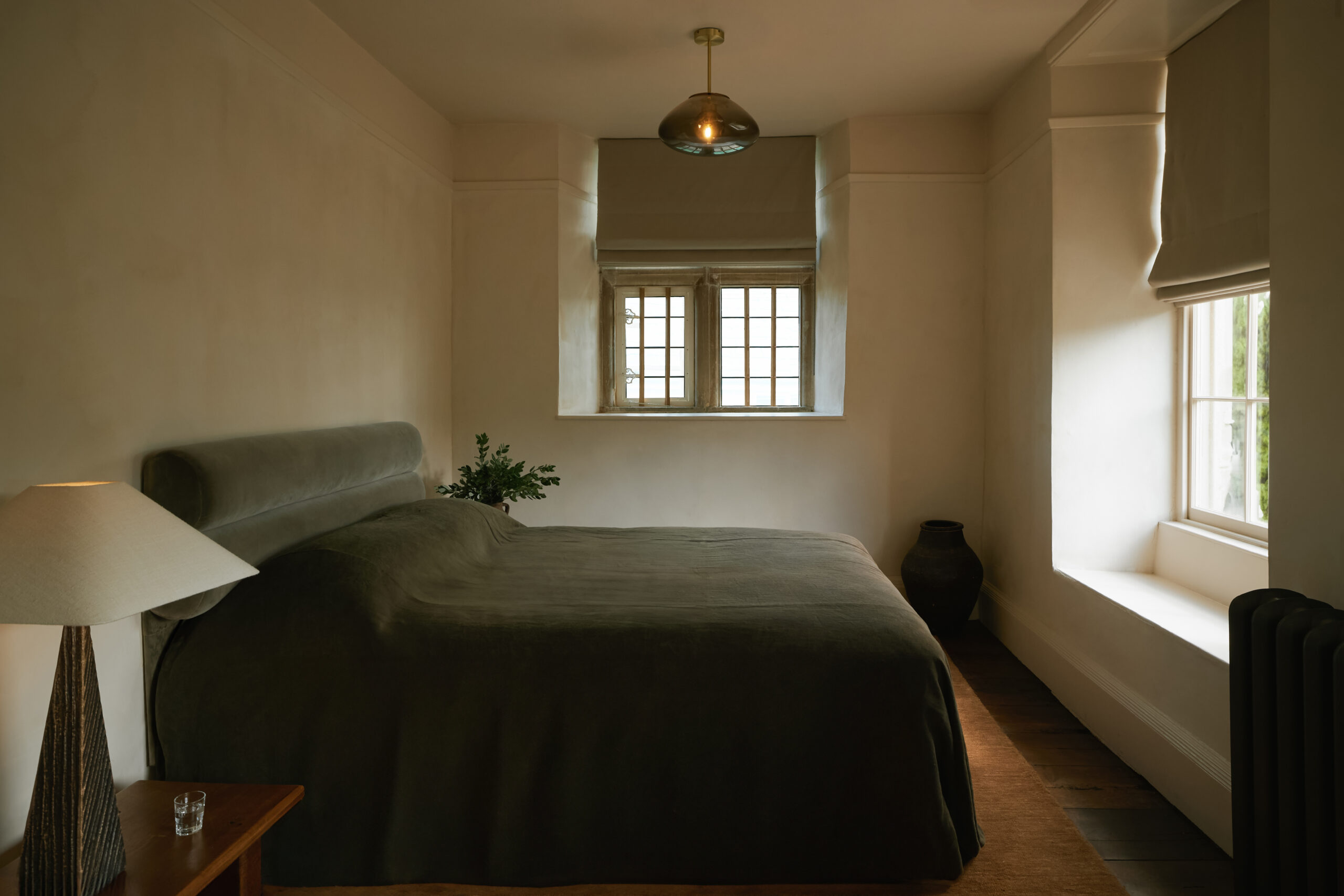 PETRA PENDANT AND CUBIST TABLE LIGHT
Clare Turner’s design philosophy embodies a deep respect for materiality, craftsmanship, and the emotional impact of lighting. Her approach ensures that every CTO Lighting piece is more than just a functional object—it is a sculptural composition of light and form, designed to enhance the atmosphere of an interior.
By blending British craftsmanship with contemporary refinement, CTO Lighting continues to redefine the art of illumination, creating pieces that are timeless in both design and quality.