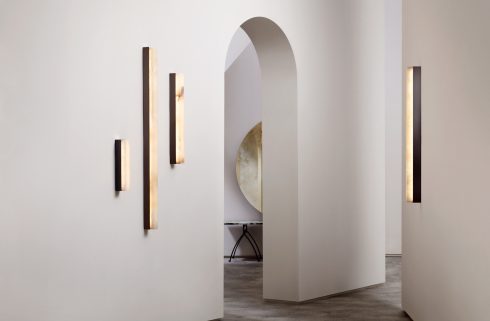
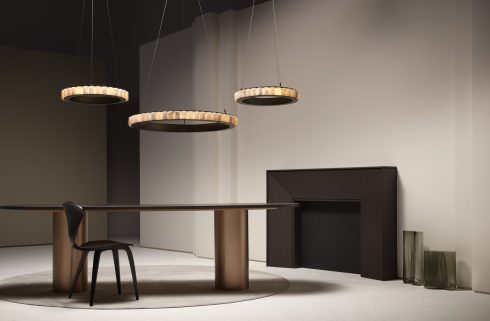
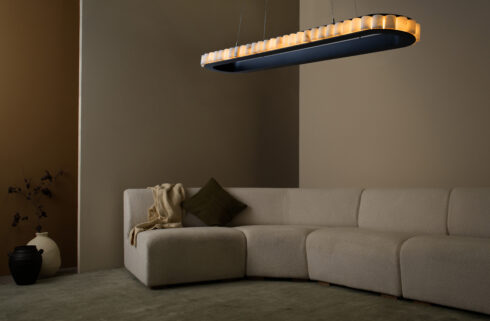
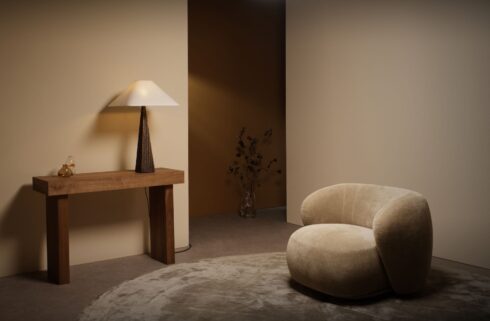
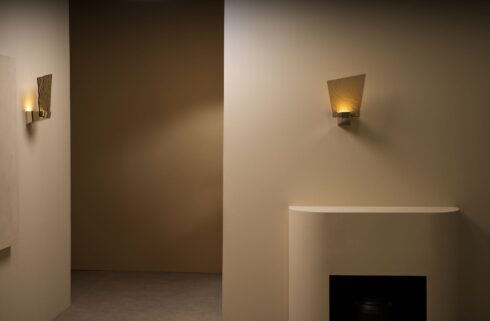
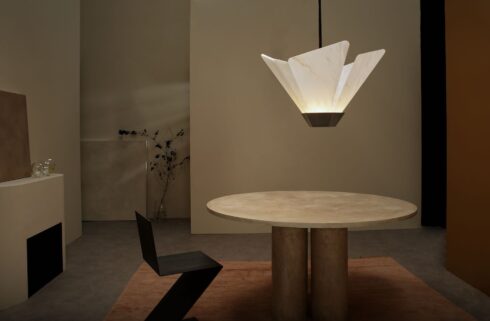
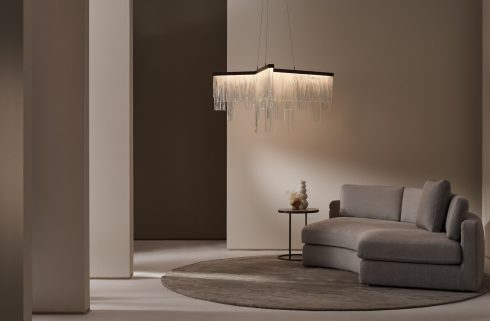
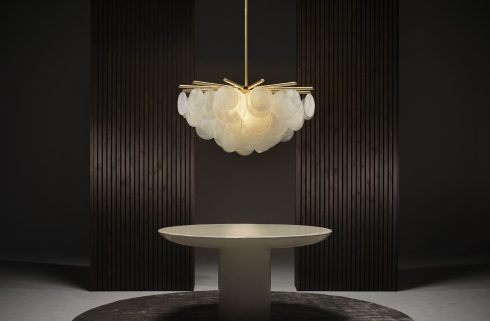
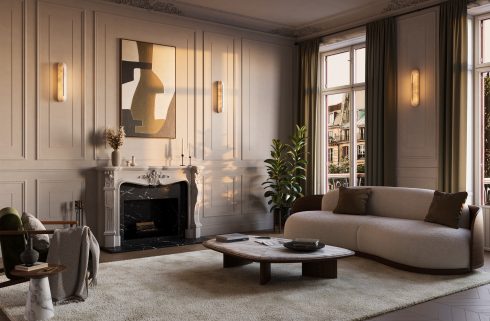
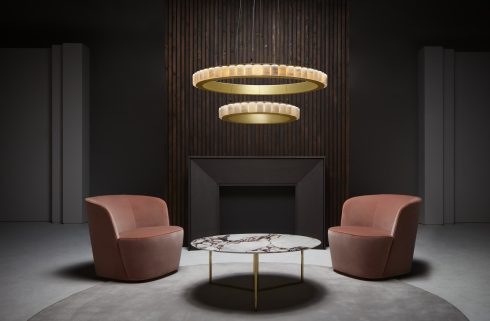
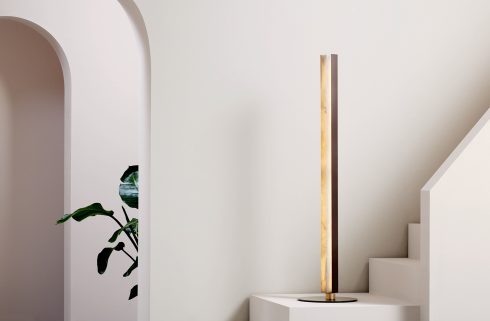
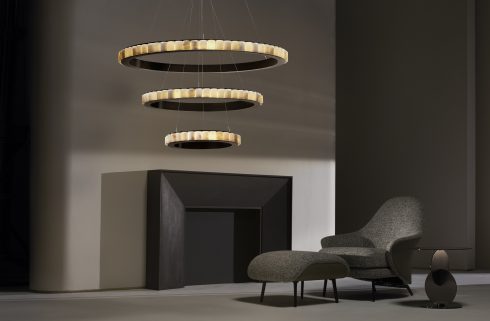
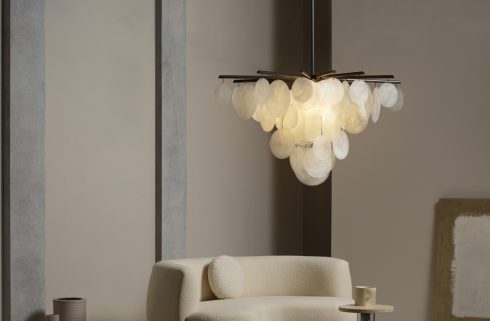
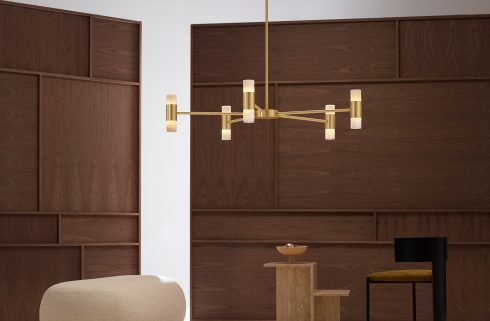
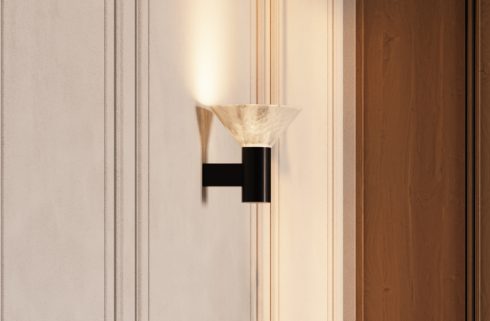
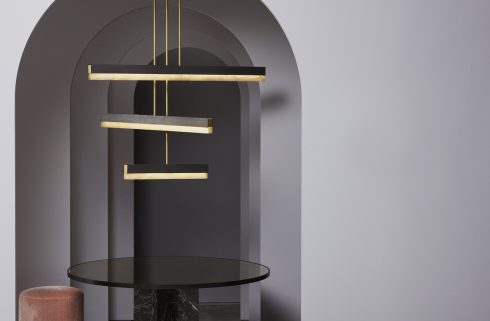
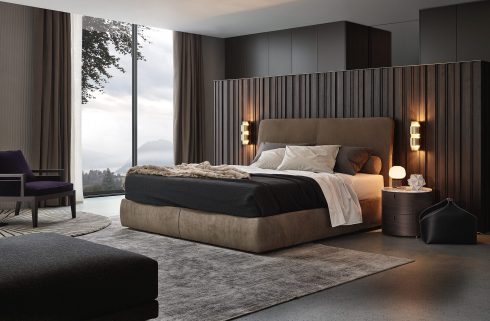
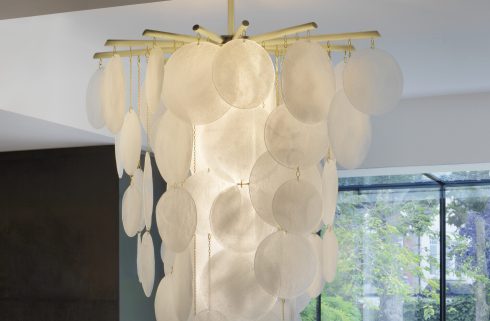
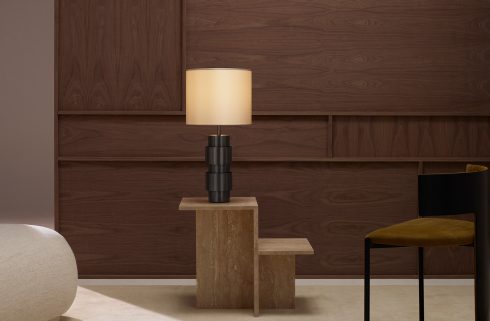
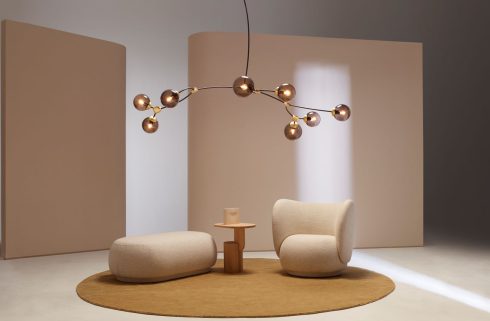
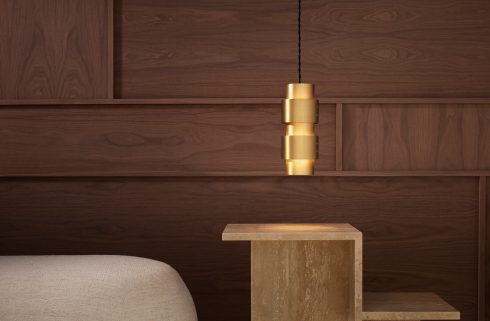
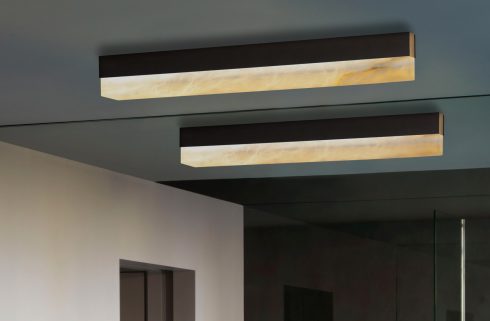
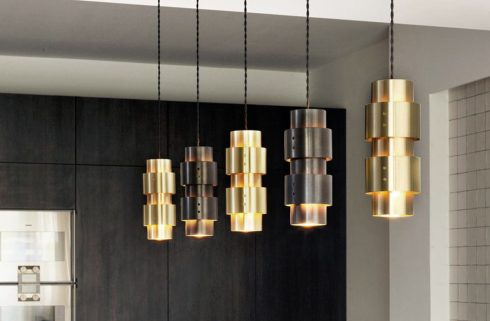
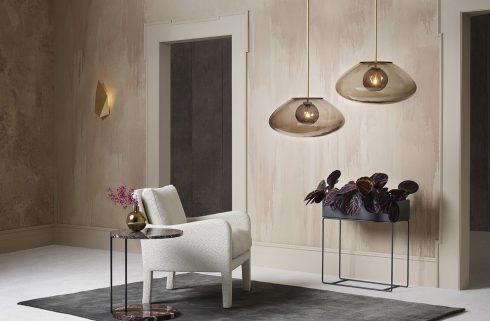
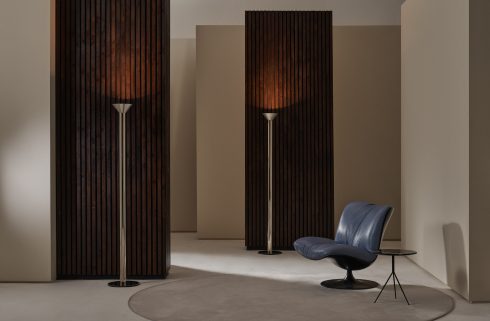
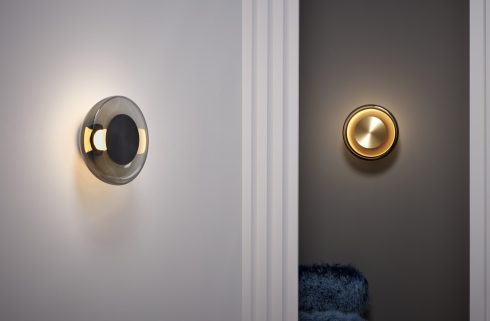
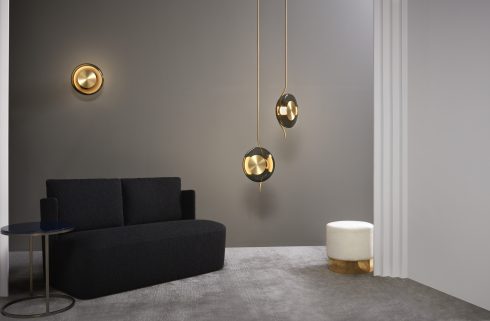
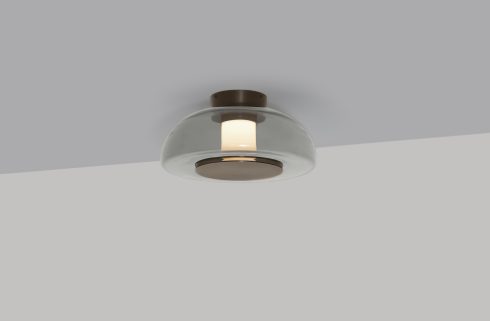
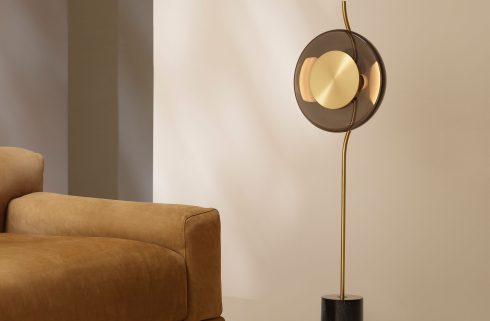
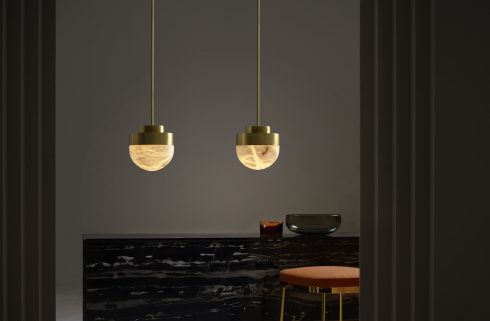
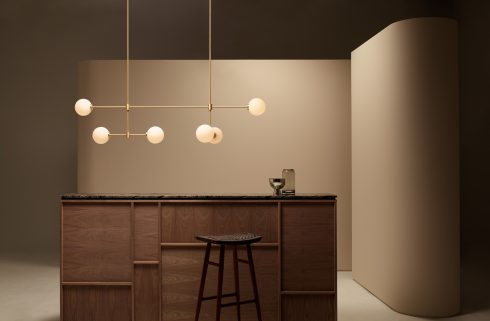
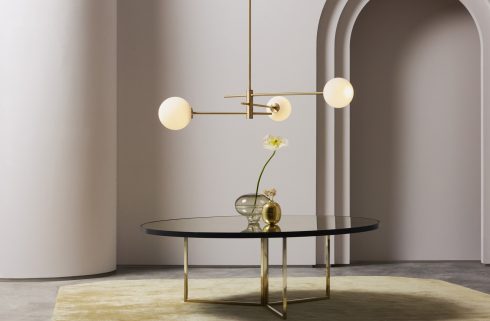
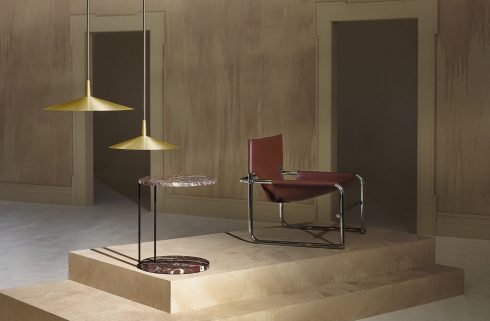
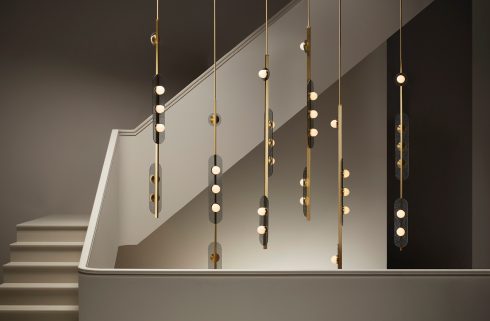
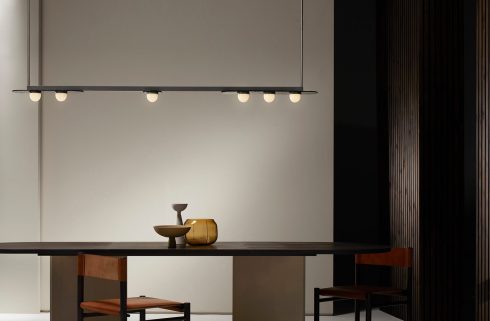
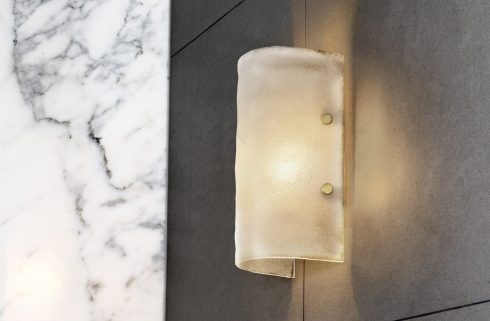
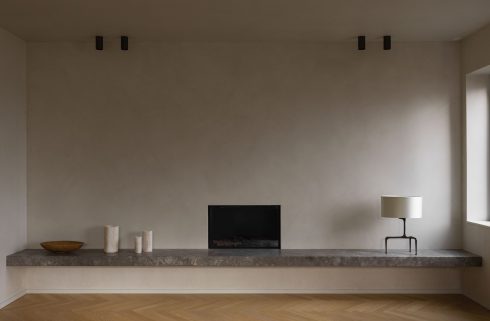
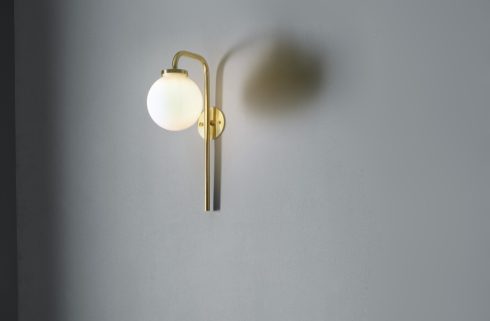
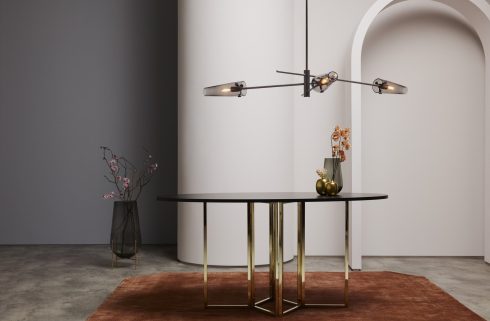
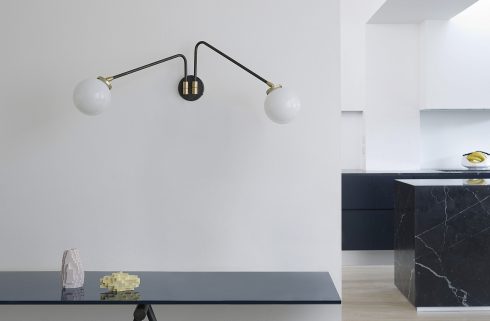
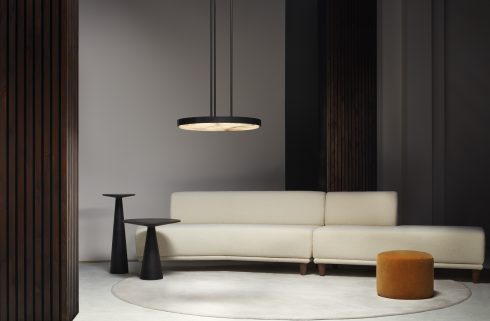
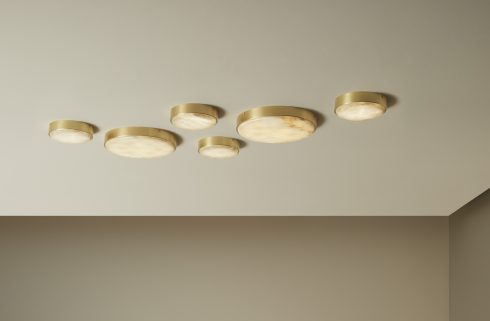
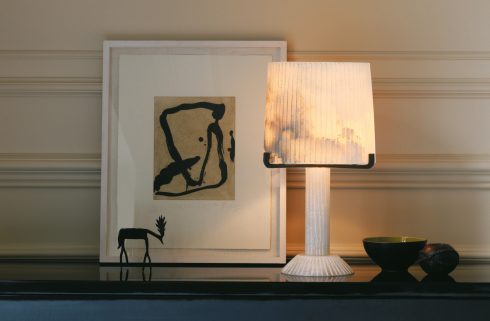
In 1933, the Japanese novelist Jun’ichirō Tanizaki published a short essay that had almost nothing to do with literature. In Praise of Shadows is, on its surface, a meditation on aesthetics. On the quality of lacquerware seen by candlelight. On the depth of a tokonoma alcove. On the particular darkness that pooled in the corners of old Japanese rooms before electricity arrived and, in Tanizaki’s view, ruined everything.
It is also, read from the perspective of anyone who designs lighting for a living, one of the most precise articulations of what most contemporary lighting gets wrong.
Tanizaki’s central argument is not complicated. He observed that Western aesthetics had developed around the principle of eliminating shadow. More light, more clarity, more visibility. The electric bulb was the logical conclusion of this impulse: a technology that could banish darkness from every corner of a room. But in doing so, it also banished something else. The sense of depth. The feeling of a space having weight and interiority. The quiet drama that occurs when light meets resistance.
Japanese aesthetics, he argued, had evolved differently. Not around the elimination of shadow, but around its cultivation. The beauty of a Japanese interior was not found in what was illuminated but in the relationship between what was shown and what was withheld. A gold screen was not beautiful because it was bright. It was beautiful because it caught the low, uneven light of a candle and seemed to glow from within, while the rest of the room fell into graduated darkness around it. The light did not reveal the room. It gave the room permission to reveal itself.
This distinction, between revealing and permitting, is worth sitting with.

There is a persistent assumption in contemporary interior design that lighting exists to solve a problem. The problem is darkness. The solution is illumination. Specification becomes a question of lux levels and colour temperatures, of how evenly a space can be lit, of ensuring no surface is left unaddressed.
The result, more often than not, is interiors that are legible but lifeless. Every surface is visible. Every material is evenly presented. And the room, for all its careful curation, feels flat. It has no atmosphere, because atmosphere is what happens when light is uneven. When some things are seen clearly and others are sensed rather than seen. When a material does not simply sit under light but responds to it.
“It is not enough to just simply light a room,” says Clare Turner, founder and creative director of CTO Lighting. “In an over-lit world, we must offer something more. Something of real value. An emotional response that calms and enriches the experience of the person living in the space.”
This is the condition Tanizaki was describing nearly a century ago, and the industry has been moving in the opposite direction ever since.

The conventional approach to lighting design begins with the object. What does the fixture look like? What is its form, its finish, its visual identity? The room is secondary. It is the place where the object will be installed, the backdrop against which it will be seen.
There is another way to work. Begin with the room.
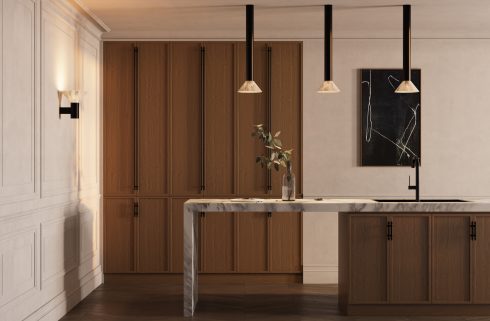
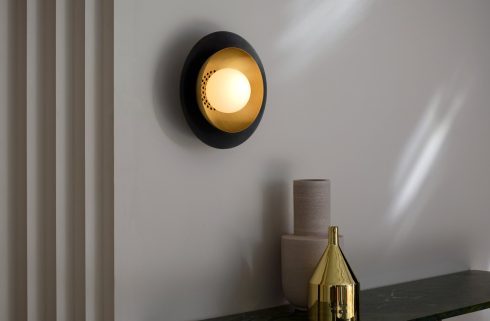
Not what the light should look like, but what it should do. How will a particular quality of glow interact with a lime-washed wall? What happens when that same glow meets polished stone, or raw timber, or the matte surface of hand-applied plaster? Where will the shadows fall, and what depth will they create? What will the room feel like at dusk, when the balance between natural and artificial light is most delicate?
“The starting point for me when designing a lighting collection is always within the context of the architecture or the space,” Turner explains. “What do I need to express in the room? How do I want the space to feel? Am I trying to soften a space, or give it a focus in a particular area? For me, true luxury is calmness, and that is the overriding quality I seek to express.”
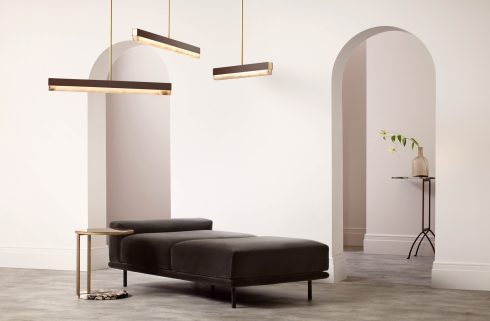
These are not finishing questions. They are not the last things to consider after the form of a fixture has been resolved. They are the starting point. The proportions of a light, its materials, the opacity and tone of its shade, the weight and character of its fittings, all of these should be determined by the lighting condition they need to produce. The object is in service of the effect, not the other way around.
This is what Tanizaki understood intuitively: that the value of a light source is not its brightness but its behaviour. How it interacts with the surfaces around it. How it degrades across distance. How it transforms materials that, under even, clinical illumination, would simply look like what they are, but under the right light, begin to look like what they could be.
A room designed this way does not showcase its lighting. The lighting showcases the room.

There is a reason that the most emotionally affecting interiors tend to use natural materials for their light sources. Stone, paper, fabric, shell. These are materials that do not transmit light uniformly. They absorb some wavelengths and release others. They introduce variation, texture, and warmth in ways that no engineered diffuser can fully replicate.
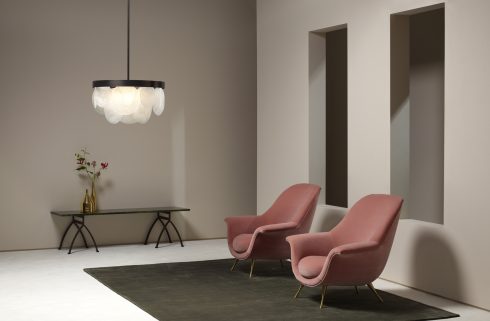
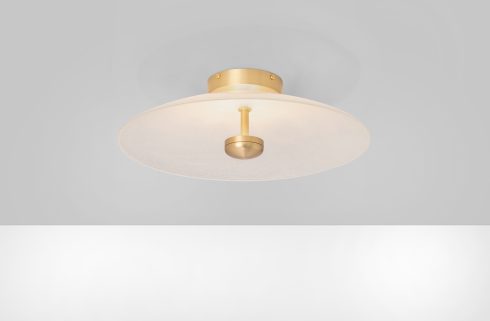
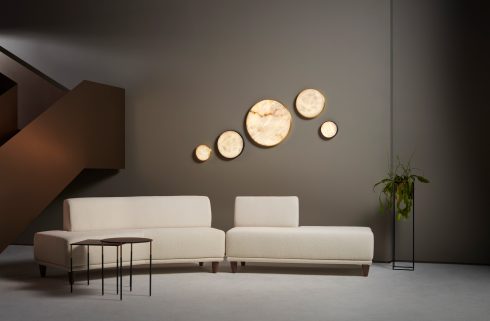
Consider alabaster. It is heavy. It varies in tone and opacity from piece to piece. It cannot be standardised. Every shade cut from it will be slightly different. The veining will shift. The quality of the glow will depend on the particular density of the stone.
In an industry that prizes consistency and repeatability, these qualities are often treated as problems. But they are, in fact, the point. A material that transforms light rather than merely transmitting it produces something that has character. It breathes. It gives electrical light, which is fundamentally characterless, a quality, a texture, an emotional register.
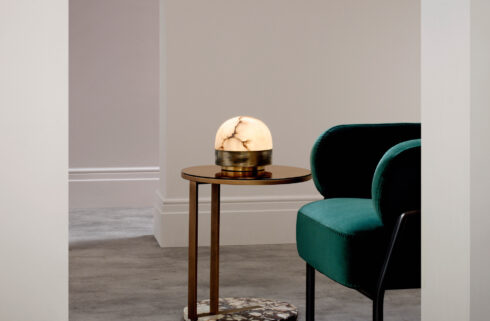
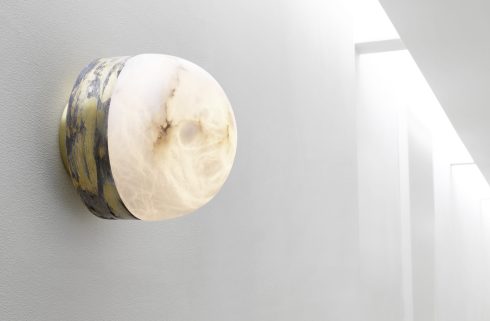
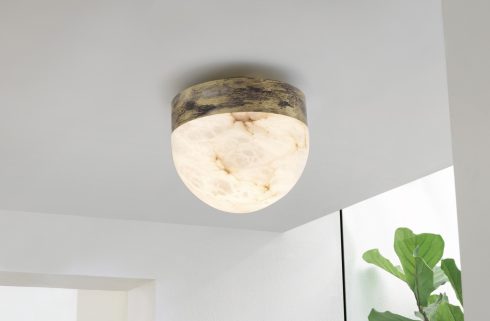
“We must remain true to the natural materials,” says Turner. “Alabaster should embrace its uniqueness, celebrating the tonality and opacity that occurs in each piece. The warmth of the surface and the warmth of the glow is what helps create atmosphere, so it is fundamental to how we interpret the material. It is the perfect pairing with a light source.”
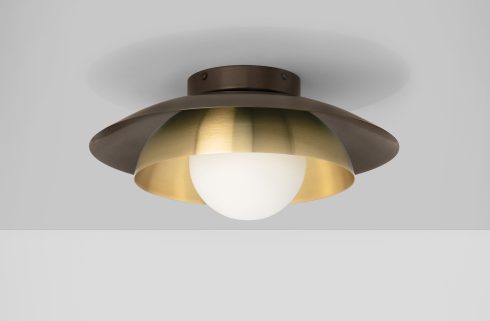
This commitment to material honesty extends across every element of a fitting. Metal finishes should never be imitated. Brass should reflect the softness of the metal, whether through sateen markings or a high polish that captures the surroundings. Each material must be treated to bring out its true character, never to disguise it.
Tanizaki wrote about gold leaf in a dark room. The way it seemed to gather the faintest illumination and hold it, radiating a warmth that had nothing to do with temperature. Natural materials used as light diffusers do something similar. They do not simply let light through. They give it back changed.

There is a further quality that separates considered lighting from mere illumination, and it is one that is often overlooked: movement. Not literal, mechanical motion, but the optical quality of light that refuses to sit still.
“The lighting effect should never be solid,” Turner says. “It should have some element of undulation, tonality, and contrast. I am always mindful of reflections and refractions in a material. This is what creates the magic in a fitting.”
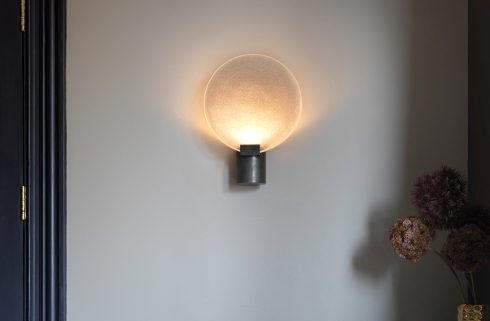
This is an idea that runs deeper than aesthetics. When light passes through a material that has natural variation, whether the veining of stone, the irregularities of hand-blown glass, or the structured diffusion of a fritted surface, it does not emerge as a uniform wash. It scatters. It concentrates in some places and thins in others. It creates pools and gradients that shift depending on the angle of view and the ambient conditions of the room.
The result is light that feels alive. Light that the eye returns to, not because it is bright, but because it is interesting. This is the quality that Tanizaki described when he wrote about the play of candlelight on lacquerware: a surface that was never the same twice, because the light that revealed it was always in quiet flux.
There is a form in Japanese garden design called the yukimi-doro. It is a stone lantern, low to the ground, with a wide flat roof and a simple fire box. Its name translates roughly as “snow-viewing lantern,” because the broad roof was designed to catch and hold falling snow while the flame inside continued to glow beneath it.
These lanterns were traditionally placed at the water’s edge. The light they cast was modest, not strong enough to illuminate a path or a garden in any practical sense. But it was enough to create a reflection on the surface of the water, a point of warmth that existed in relation to the cold, dark landscape surrounding it. The lantern did not fight its environment. It created a small pocket of atmosphere within it, and the contrast between the two was the source of its beauty.
There is a design principle embedded in this tradition that extends well beyond gardens. Light does not need to fill a space to define it. A single point of warmth, carefully placed, can give a room more character than a dozen evenly distributed downlights. The relationship between the lit and the unlit, between what glows and what recedes, is where atmosphere lives.
The yukimi-doro understood something that much of modern lighting has forgotten: that the most compelling light is the light that knows where to stop.

Tanizaki’s essay is often read as nostalgic. A lament for a pre-electric world that can never be recovered. But that reading misses his actual point, which is not about the past at all. It is about perception.
His argument is that when we remove shadow from a space, we do not simply add visibility. We subtract depth. We subtract mystery. We subtract the capacity of a room to produce an emotional response that goes beyond the visual. A room without shadow is a room without atmosphere, and atmosphere is not a luxury. It is the thing that makes a space feel inhabited rather than merely occupied.
Consider what shadow actually does in an interior. It gives walls depth, turning a flat plane into something with presence and weight. It reveals the texture of materials that even illumination would flatten: the grain of timber, the tooth of plaster, the pile of a fabric. It creates graduated transitions between surfaces, so that the eye moves through the room rather than scanning it. It introduces time, because shadows change as light changes, and a room that shifts through the day is a room that feels alive.
None of this is accidental. None of it is the absence of good lighting. It is what good lighting produces when it is designed with the room in mind rather than against the darkness.
“By manipulating the materials we use, we deliver an atmosphere that cannot be mimicked by mere functional fittings,” Turner reflects. “The decorative element to our lights is the artistry that engages you and wants you to linger in a space a little longer.”
The lighting industry has spent the better part of a century treating shadow as a failure state, something that occurs when a space is insufficiently lit. But shadow is not a deficit. It is a material. It has qualities of softness and depth, of weight and transparency, that can be shaped and composed just as deliberately as light itself.
The designers and architects who understand this are the ones producing interiors that feel genuinely different from the evenly lit, comprehensively visible spaces that dominate the market. They are the ones who understand that what a room withholds is as important as what it shows. That the most beautiful interiors are not the most visible ones. That the quality of light is not measured in lumens but in feeling.
Tanizaki knew this in 1933. The rest of us are still catching up.